President Donald Trump's promises of lower prices are facing another major test after new government figures revealed that inflation accelerated in September, gasoline prices surged, and American workers continued losing purchasing power.
According to the Bureau of Labor Statistics, consumer prices increased 3.7% over the past year, up from 3.4% in August and exceeding economists' expectations.
Even more troubling, inflation has now outpaced wage growth for six consecutive months.
For millions of American households, that means their paychecks are buying less, even as the costs of transportation, housing, and everyday necessities continue climbing.
Gasoline Prices Have Exploded
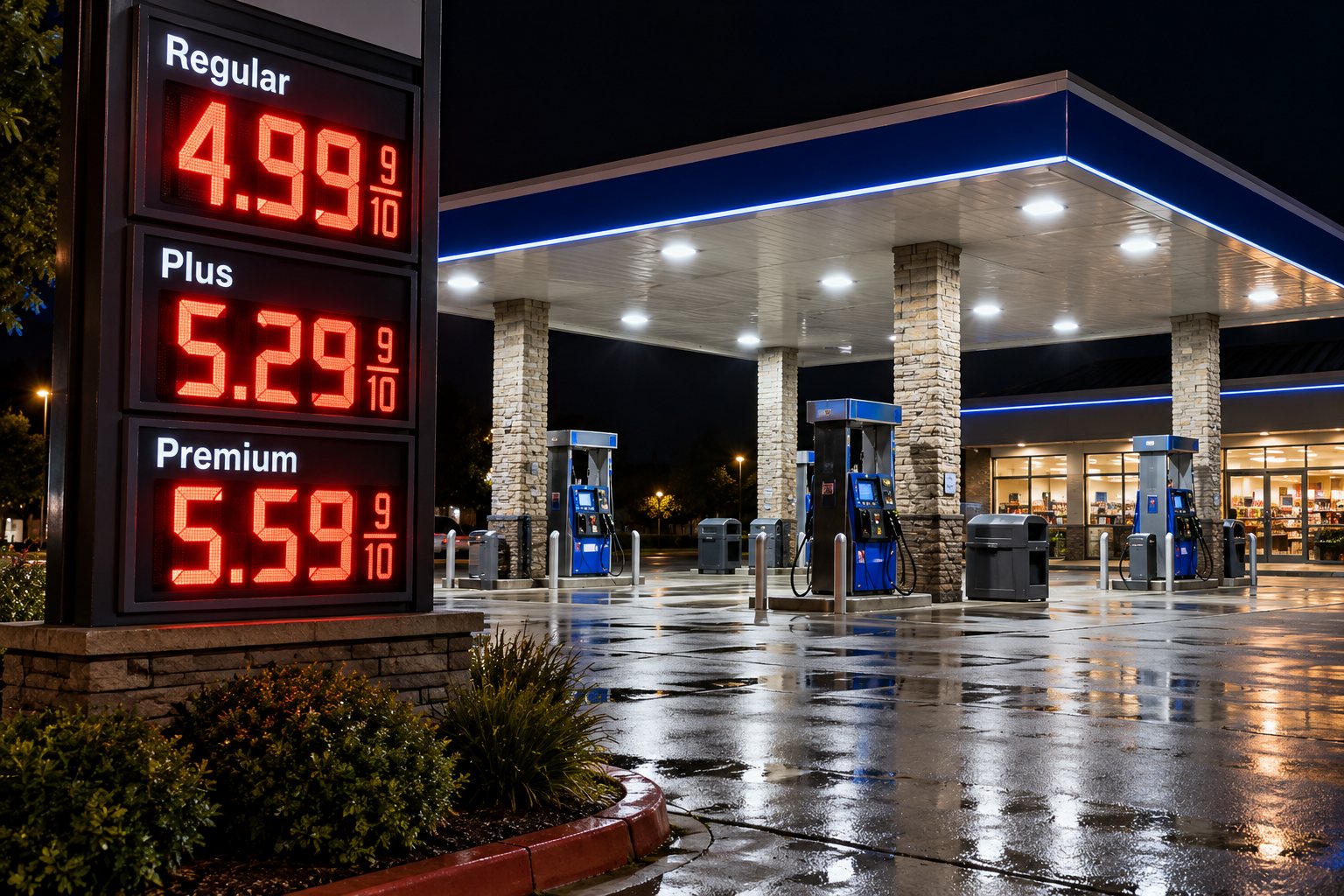
Perhaps the most alarming figure in the report involves gasoline.
Gas prices have increased 34.2% over the past year, including a staggering 9.1% increase in September alone.
The ongoing war involving Iran and disruptions to global oil supplies have contributed significantly to rising energy costs.
Gasoline accounted for more than half of September's monthly increase in consumer prices.
And the consequences extend well beyond the gas pump.
Higher fuel costs increase transportation expenses for businesses, farmers, and delivery companies, potentially driving up prices throughout the economy.
American Workers Are Falling Behind
While prices continue rising, wage growth has slowed.
September marked the sixth consecutive month in which inflation exceeded annual wage growth. Average hourly earnings recorded their weakest annual increase since 2021.
This means many workers are experiencing declining inflation-adjusted earnings.
The problem is particularly serious for lower- and middle-income households, which typically spend a larger share of their income on gasoline, groceries, housing, and utilities.
Trump's Economic Policies Face Growing Scrutiny
The administration's tariffs are another source of concern.
Economists have warned that import taxes can increase costs for American businesses and consumers. The latest inflation figures show particularly sharp increases in certain imported and manufactured goods.
According to Reuters, toy prices registered a record increase, while software prices climbed 28% over the past year.
Federal Reserve officials have identified higher energy costs, tariffs, and other economic pressures as factors complicating efforts to control inflation.
Not every increase can be attributed directly to White House policy. However, the administration's trade decisions and the economic consequences of the Iran conflict have become important parts of the inflation debate.
Interest Rates Could Rise Again
The inflation report also creates a problem for Americans hoping for lower borrowing costs.
The Federal Reserve raised interest rates in September for the first time since 2023.
With inflation now accelerating, financial markets are increasingly considering the possibility of another rate increase at the Fed's October 27–28 meeting.
Higher interest rates can make mortgages, auto loans, credit cards, and business financing more expensive.
That creates another financial challenge for households already struggling with rising prices.
The Affordability Problem Isn't Going Away
The latest figures arrive less than three weeks before the November 3 midterm elections, with the cost of living remaining a major concern among American voters.
The numbers present a difficult economic reality:
Gasoline is substantially more expensive. Inflation is accelerating. Wage growth is failing to keep up. And borrowing costs may climb further.
The administration has argued that its economic policies will strengthen American prosperity. But today's inflation report demonstrates that affordability remains a serious challenge.
For Americans watching their grocery bills, filling their gas tanks, and stretching their paychecks, the most important economic measurement isn't a political promise. It's how much money they have left at the end of the month.