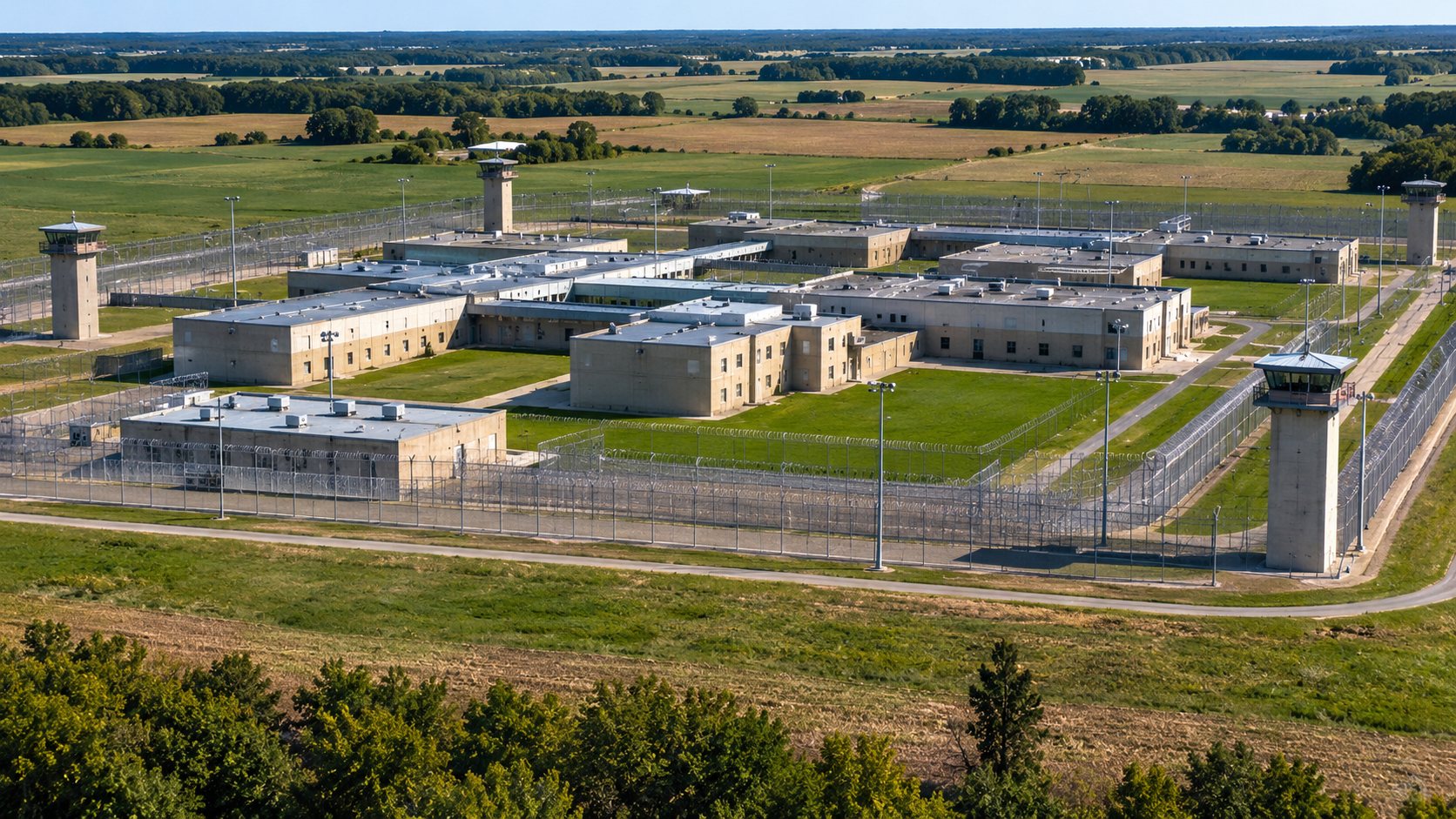
The Trump administration spent nearly half a billion taxpayer dollars purchasing a shuttered Minnesota prison that had been offered to state officials for just $75 million the previous year.
Now, revelations about the enormous price difference and the prison company's financial contributions to Donald Trump's political operation are raising serious questions about how the federal government is spending public money.
According to an investigation by Minnesota television station KARE 11, the Department of Homeland Security paid $495.6 million in August 2026 to purchase the Prairie Correctional Facility in Appleton, Minnesota, from private prison operator CoreCivic.
But newly disclosed correspondence revealed that CoreCivic had offered the same facility to Minnesota's Department of Corrections for approximately $75 million in May 2025.
The difference? An astonishing $420.6 million.
And there is another detail attracting attention.
CoreCivic contributed $500,000 to Trump's 2025 presidential inaugural committee.
The company also spent approximately $1.77 million lobbying for legislation that expanded federal immigration detention funding.
Those financial connections do not establish wrongdoing, but they have intensified questions about whether taxpayers received fair value from the transaction.
A Prison That Sat Empty for 16 Years
The Prairie Correctional Facility opened in 1992 and closed in 2010. It has remained vacant for approximately 16 years.
The prison was designed to hold roughly 1,600 inmates.
Minnesota officials previously considered purchasing the property but ultimately declined, citing concerns about staffing costs, infrastructure, and its remote location.
The facility sits nearly three hours from Minneapolis-St. Paul.
Operating it could require approximately 500 employees, potentially creating additional housing and transportation challenges.
Despite those concerns, the Trump administration purchased the property as part of its nationwide expansion of immigration detention facilities.
According to reporting by the Minnesota Star Tribune, Swift County assessed the property's market value at approximately $14 million.
That figure is not necessarily equivalent to its value as an operational federal detention facility, but it underscores the questions surrounding the government's purchase price.
The Company Gets Paid Again
The financial arrangement does not end with the purchase.
CoreCivic is expected to continue operating the facility under a federal management contract potentially generating approximately $75 million annually.
That means the company sold the prison to the federal government for nearly $500 million while retaining a lucrative role managing the property.
The arrangement is part of a broader federal purchasing effort.
CoreCivic has sold four detention facilities to the government for a combined approximately $2.2 billion.
Minnesota Officials Demand Answers
Minnesota Attorney General Keith Ellison has called for congressional investigations into the transaction.
Ellison questioned why the federal government paid nearly seven times the amount previously offered to Minnesota, particularly when Americans are facing higher living expenses.
Minnesota Corrections Commissioner Paul Schnell also expressed disbelief over the purchase price.
CoreCivic defended the transaction, explaining that independent appraisers used a cost-based valuation methodology and that federal officials ultimately determined the price.
That explanation has not resolved the central question: Why was the federal government willing to pay hundreds of millions more than the price offered just one year earlier?
A September Government Accountability Office report had already warned about potential waste in ICE's detention facility purchases and questioned whether the agency had adequately evaluated the long-term costs of ownership.
Congress Now Faces a Question of Accountability
The federal government has a responsibility to demonstrate that major purchases are justified, competitively evaluated, and financially sound.
The difference between $75 million and $495.6 million deserves a detailed explanation.
So do the company's political contributions, lobbying activities, appraisal methodology, and continuing management contract.
None of those facts alone proves corruption.
But when taxpayers spend nearly half a billion dollars on a previously shuttered prison, the public deserves to know exactly how that price was determined — and who benefited from the deal.