Donald Trump's presidential campaign was barely a month old when he became embroiled in another controversy — this time involving one of the most recognizable military veterans in American politics.
On July 18, 2015, Trump appeared at the Family Leadership Summit in Ames, Iowa.
During an interview onstage, Republican pollster Frank Luntz brought up Trump's increasingly bitter dispute with Arizona Senator John McCain.
McCain wasn't simply another Republican politician.
He was a former Navy pilot who had been shot down over North Vietnam in 1967 and spent more than five years as a prisoner of war.
Luntz described McCain as a war hero.
Trump disagreed.
“He's not a war hero.”
Luntz pushed back.
Trump continued:
“He's a war hero because he was captured. I like people that weren't captured, OK?”
The reaction was immediate.
John McCain's Five Years as a Prisoner of War
McCain's military history was well known long before he entered politics.
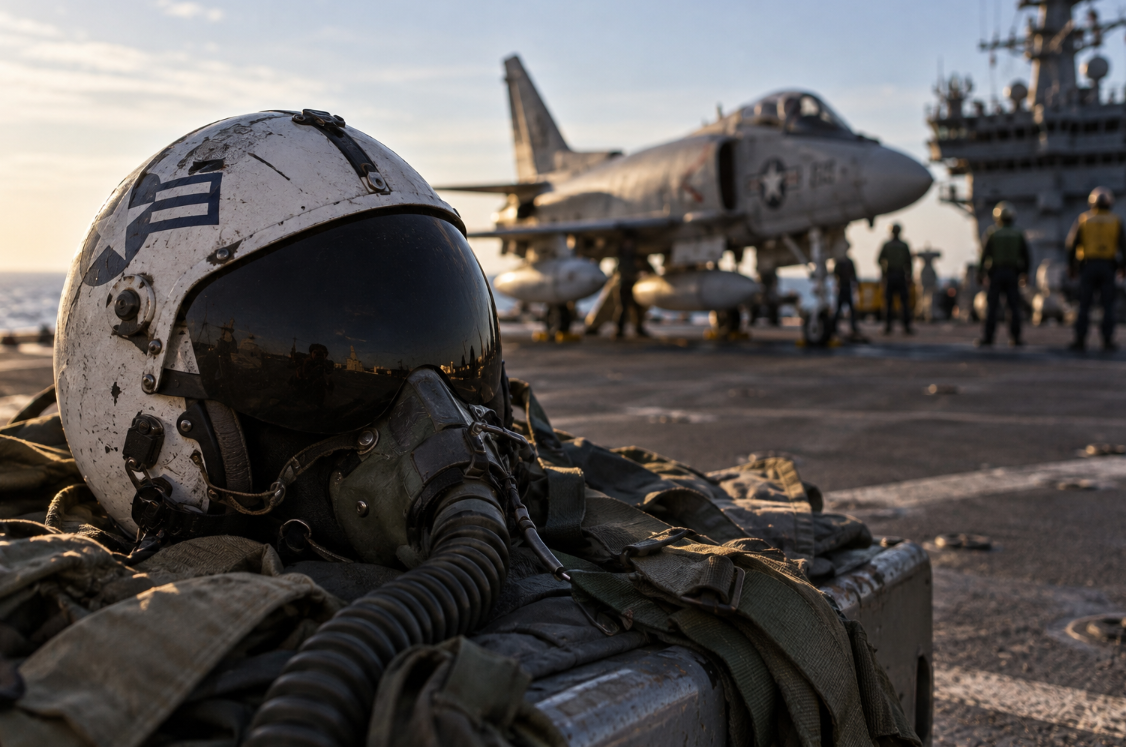
On October 26, 1967, the Navy aviator was flying a bombing mission over Hanoi when his aircraft was shot down.
McCain was badly injured during the crash and capture.
He subsequently endured years of imprisonment, interrogation and torture.
When his captors offered him an early release, McCain refused to leave unless other American prisoners who had been captured before him were released first.
He ultimately remained a prisoner until March 1973.
Whatever Americans thought about John McCain's politics, his experience as a prisoner of war was an established part of his public identity.
Trump had just questioned whether it made him a hero.
“I Don't Like Losers”
Trump's comments did not appear out of nowhere.
The two Republicans had been publicly attacking each other.
McCain had criticized the atmosphere surrounding Trump's immigration rhetoric and referred to some Trump supporters who attended a rally in Phoenix as “crazies.”
Trump responded by attacking McCain.
During the Iowa appearance, Trump also brought up McCain's loss to Barack Obama in the 2008 presidential election.
Trump said he had supported McCain and raised money for him.
Then he added:
“He lost, he let us down.”
Trump continued:
“I never liked him as much after that because I don't like losers.”
Seconds later came the exchange over McCain's status as a war hero.
Republicans Condemn Trump
The reaction from Trump's own party was swift.
Republican presidential candidates who were competing against Trump publicly condemned the comments.
Former Texas Governor Rick Perry called on Trump to apologize and withdraw from the presidential race.
Florida Senator Marco Rubio defended McCain's service.
Former Florida Governor Jeb Bush said McCain was a war hero.
Wisconsin Governor Scott Walker also denounced Trump's remarks.
The Republican National Committee issued its own response, saying there was no place in the Republican Party or the country for comments disparaging people who had served honorably in the military.
For a candidate seeking the Republican presidential nomination, attacking the military record of a former prisoner of war appeared politically dangerous.
Once again, political observers wondered whether Trump had finally crossed a line that his campaign could not survive.
McCain Says the Apology Should Go to Veterans
McCain's response was notable.
He did not demand a personal apology.
Instead, he said Trump should consider apologizing to American prisoners of war, veterans and their families.
McCain said the issue was larger than himself.
There were Americans who had served their country, been captured and endured terrible conditions as prisoners.
To denigrate their service, McCain argued, was offensive to veterans.
Trump Doesn't Back Down
Trump did not offer the apology his critics demanded.
Instead, he attempted to clarify his remarks while continuing his criticism of McCain.
Trump said he respected people who had been captured and subsequently stated that captured American service members were heroes.
But he continued attacking McCain's performance in the Senate, particularly his record on veterans' issues.
Trump argued that McCain had failed America's veterans and that the controversy should be about McCain's political record rather than Trump's comments.
It was a pattern that was becoming familiar.
A Trump statement generated outrage.
Republican leaders condemned it.
Commentators questioned whether his campaign could survive it.
Trump refused to retreat.
And the campaign continued.
Another Supposed Campaign-Ending Moment
The McCain controversy was particularly significant because it came at the exact moment Trump was becoming a serious contender for the Republican nomination.
A Washington Post-ABC News poll conducted around that period found Trump supported by 24 percent of Republicans and Republican-leaning independents.
He was leading the field.
Only weeks earlier, the idea of Donald Trump becoming the Republican nominee had been dismissed by many political observers.
Now Republicans faced a different question.
What would actually cause Trump's supporters to abandon him?
The comments about Mexican immigrants hadn't done it.
The business relationships that disappeared afterward hadn't done it.
Now Trump had publicly questioned the heroism of a former American prisoner of war.
Many Republicans believed this might finally be the moment that stopped him.
It wasn't.
A Warning About the Campaign Ahead
The McCain controversy became another early demonstration that the traditional assumptions surrounding presidential campaigns did not always apply to Trump.
Statements that might have forced another candidate into an immediate apology did not necessarily produce the same response from him.
Trump could generate controversy, attack his critics, dominate news coverage and continue campaigning.
His supporters could hear the same remarks that outraged his opponents and interpret them very differently.
The significance of the McCain episode therefore extends beyond one insulting exchange in Iowa.
It provided another early indication of what the 2016 campaign was becoming.
Donald Trump had entered presidential politics only one month earlier.
Already, he had attacked Mexican immigrants, feuded with major American corporations, insulted a former Republican presidential nominee and questioned the war-hero status of a man who had spent more than five years as a prisoner in North Vietnam.
And instead of disappearing from the Republican race, Donald Trump was leading it.