President Donald Trump is facing an escalating impeachment investigation over his dealings with Ukraine, but House Republicans are showing virtually no willingness to break ranks with the president.
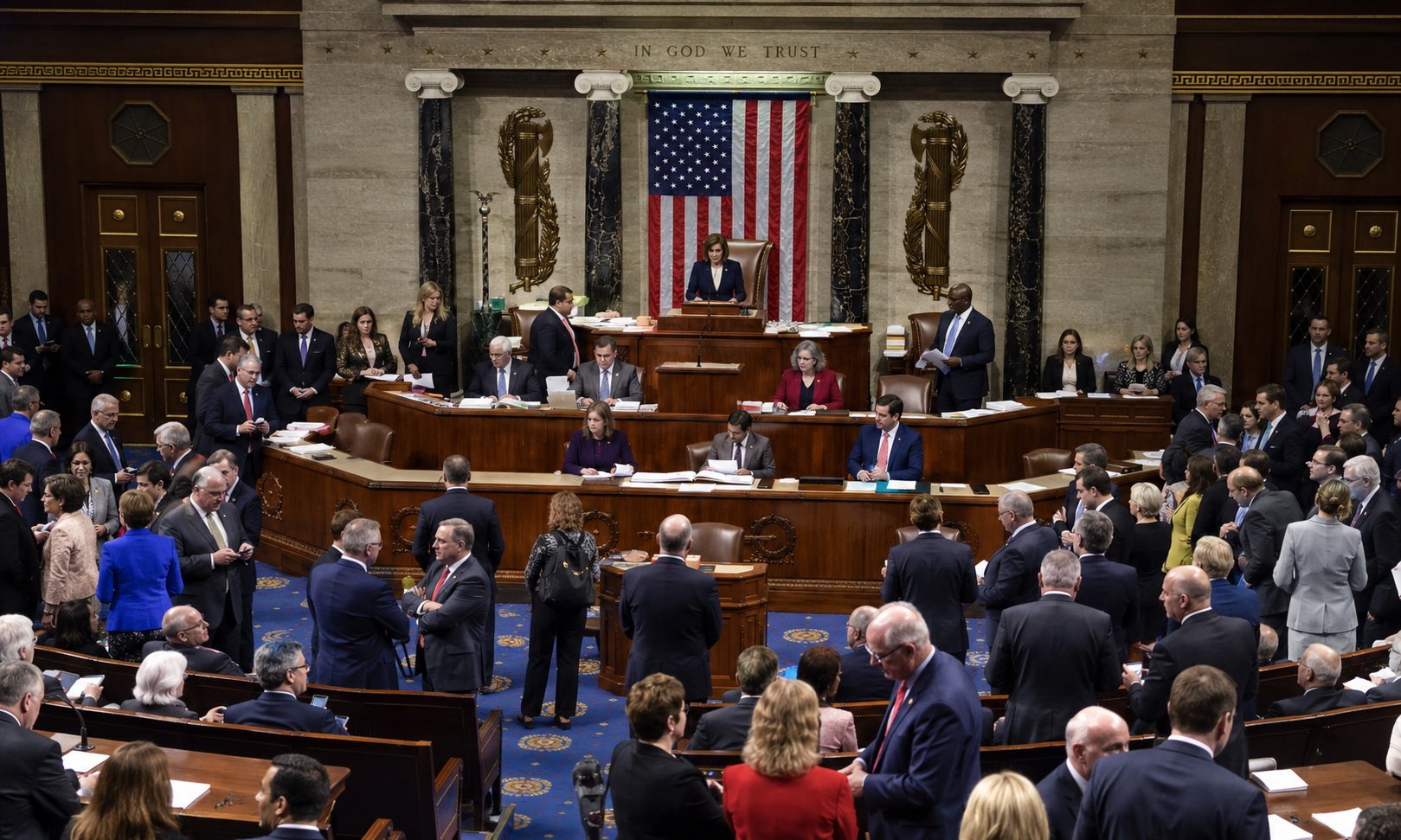
On Thursday, the House of Representatives voted 232–196 to establish procedures for the next phase of its impeachment inquiry. Every one of the 194 Republicans who voted opposed the resolution, demonstrating the extraordinary partisan divide surrounding allegations of presidential misconduct.
The investigation centers on Trump's July 25 telephone conversation with Ukrainian President Volodymyr Zelensky, during which Trump requested investigations involving former Vice President Joe Biden and his son Hunter Biden. Congressional investigators are examining whether Trump used American military assistance and the prospect of a White House meeting to pressure Ukraine into pursuing investigations that could benefit him politically.
Despite mounting testimony from diplomatic and national security officials, Republican lawmakers continue defending the president and challenging the legitimacy of the investigation.
House Minority Leader Kevin McCarthy and other Republican leaders argue that Democrats are conducting an unfair, politically motivated inquiry. The White House has repeatedly dismissed the investigation as a partisan attack.
The Republican opposition is particularly notable because the resolution establishes procedures for public hearings, witness questioning, and further examination of the evidence. It does not itself impeach Trump or determine whether he committed an impeachable offense.
Two Democrats, Representatives Collin Peterson of Minnesota and Jeff Van Drew of New Jersey, joined Republicans in opposing the measure. Independent Representative Justin Amash, who left the Republican Party earlier this year after criticizing Trump's conduct, voted in favor.
House Speaker Nancy Pelosi insists Congress has a constitutional responsibility to investigate allegations that a president abused his office for personal political advantage.
The unanimous opposition among voting Republicans raises a significant question about whether evidence presented during the investigation can overcome the party's determination to defend Trump.
With public hearings approaching, Americans will soon have an opportunity to examine the testimony and allegations for themselves.
For now, the House vote has established one unmistakable political reality: even as the impeachment investigation advances, congressional Republicans remain united in their opposition to the proceedings against Donald Trump.