Defense Secretary Pete Hegseth is facing a September 30 deadline to provide Congress with a detailed accounting of the rapidly growing cost of the war with Iran, as lawmakers question billions of dollars in Pentagon spending and a supplemental funding request that includes $1.2 billion identified only as “Administration priorities.”
A group of Democratic senators, including members of the Senate Armed Services Committee, sent Hegseth a letter demanding more information about how much the conflict has cost taxpayers, how additional money would be spent, and why Congress has received comparatively little detail about the administration’s request.
The questions come as the Pentagon’s own estimate of the war’s cost continues to rise.
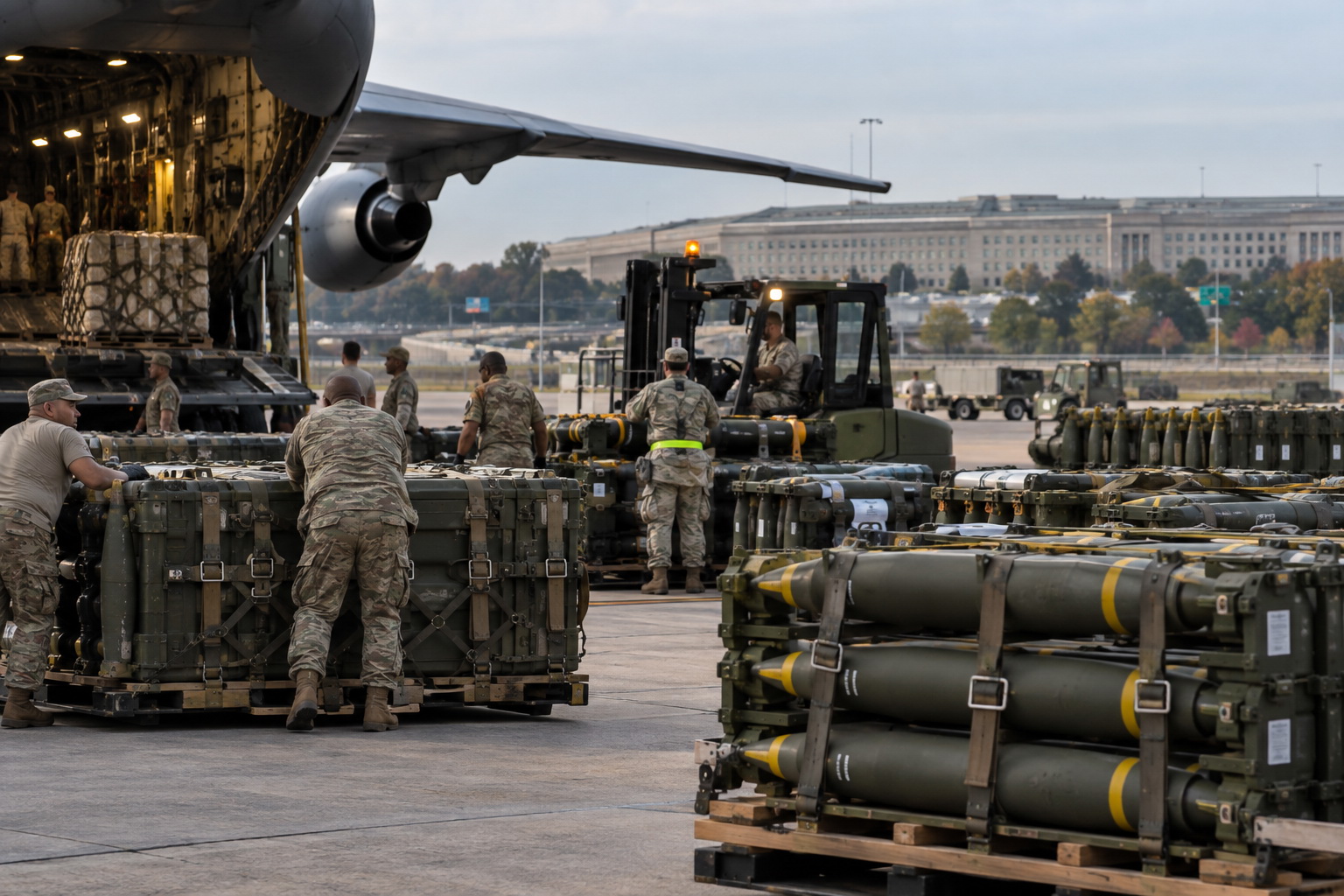
According to information provided to Congress, U.S. Central Command estimated that Iran operations had cost approximately $43.6 billion as of September 3. That includes roughly $11.2 billion in incremental operational costs, $28.1 billion to replace munitions already used, and $4.3 billion to replace lost equipment.
The Congressional Budget Office separately estimated that the conflict had directly cost the Pentagon about $38 billion through the end of July and could continue adding approximately $2 billion to $3 billion per month depending on the intensity of military operations.
Congress Wants to Know Where the Money Is Going
The controversy isn’t simply about how much the Pentagon has spent.
It’s about how little detail Congress says it has received about where tens of billions of additional dollars would go.
The administration has requested approximately $67 billion in supplemental Pentagon funding. According to the senators, the public request is only seven pages long and contains broad categories without the level of detail traditionally provided for major wartime supplemental spending bills.
Among those categories is perhaps the most eye-catching line item:
$1.2 billion for “Administration priorities.”
No additional public explanation accompanies that designation.
The senators contrasted the request with supplemental spending proposals during the wars in Iraq and Afghanistan, which they said frequently ran more than 100 pages and provided detailed explanations of expected expenditures.
The Pentagon request also includes approximately $17.3 billion for operational costs, $21 billion for munitions, $5.1 billion for cybersecurity and autonomous systems, $2.4 billion for drones and $12.1 billion for classified programs.
Billions More Remain Unspent
Congress is also asking Hegseth to explain what will happen to another pool of money already available to the Pentagon.
According to the senators’ letter, approximately $34 billion remains from defense funding previously approved under the One Big Beautiful Bill Act.
Lawmakers want to know how that money will be spent, when it will be spent and whether any of it will ultimately finance operations connected to the Iran war.
That creates a straightforward oversight question: Congress is being asked to approve tens of billions of dollars in additional Pentagon spending while lawmakers say they still don’t have a complete accounting of money already spent or money previously appropriated but not yet used.
Hegseth’s Own Words Come Back Into the Debate
The senators also pointed to Hegseth’s statements before becoming defense secretary.
In 2012, Hegseth criticized the Pentagon’s ability to move enormous amounts of money between programs with insufficient accountability. More recently, before taking office, he argued that taxpayers deserved to know where defense money was going and whether it was being spent wisely.
The senators cited those statements while demanding considerably more transparency from the department he now leads.
September 30 Deadline
The lawmakers have asked Hegseth to provide three major sets of information by September 30.
They want a detailed accounting of the total cost of military operations against Iran, including equipment losses, damage to military installations, refurbishment of ships and aircraft and expected veterans’ costs.
They also want a detailed breakdown of the $67 billion Pentagon supplemental request, identifying money intended to reimburse expenses already incurred, funding for future military operations and expenditures unrelated to the Iran conflict.
Finally, they want an accounting of the remaining $34 billion previously appropriated to the Pentagon and whether any of that money will be used for Iran operations.
The dispute is ultimately about congressional oversight of an increasingly expensive military conflict.
Whatever position lawmakers take on the Iran war itself, Congress controls federal appropriations. With the Pentagon’s estimated costs already exceeding $43 billion and billions more being requested, senators are demanding considerably more detail about where that money has gone and where the next round of funding would go — particularly the $1.2 billion identified only as “Administration priorities.”