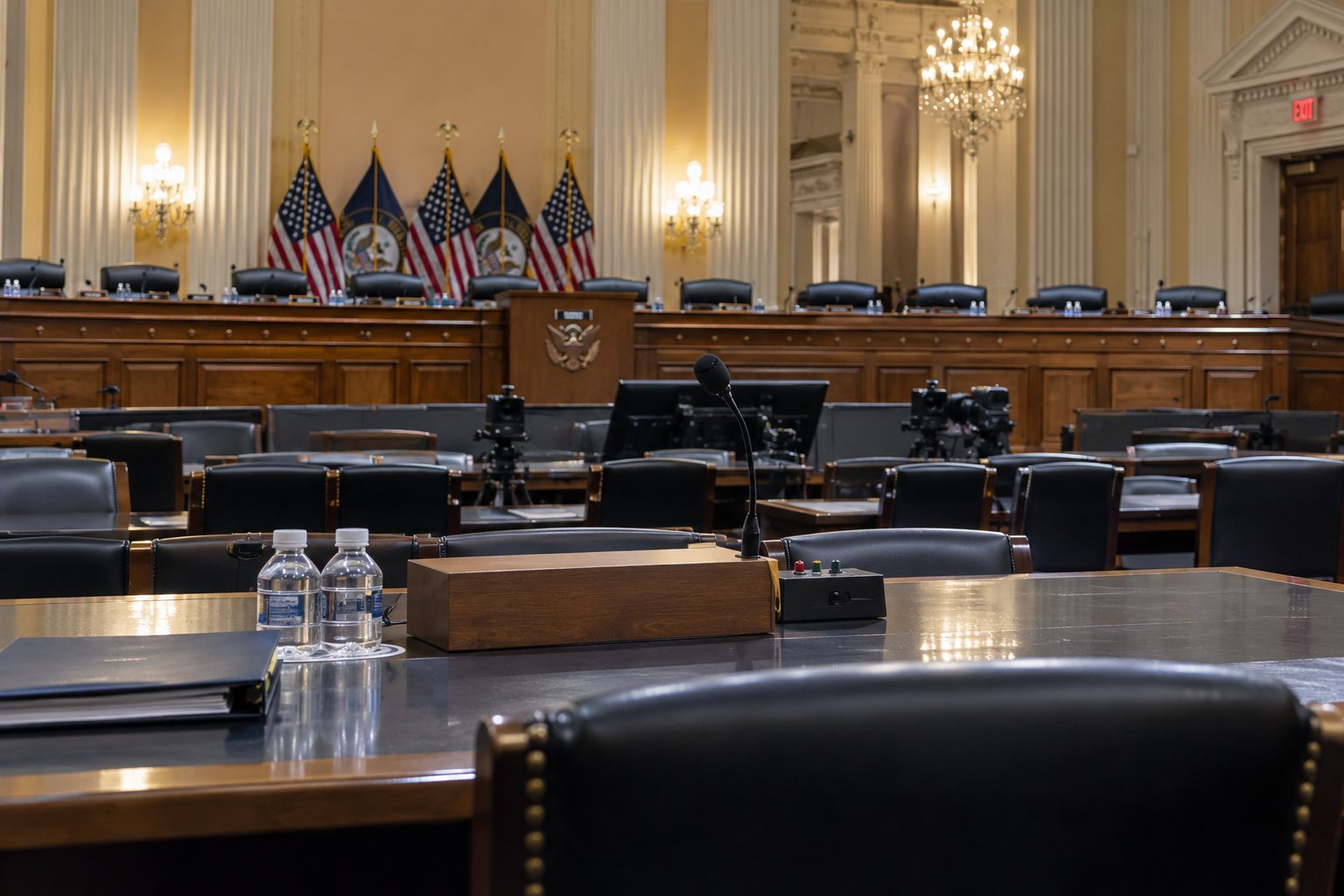
A former senior Justice Department official who supported Donald Trump's efforts to overturn the 2020 presidential election refused to answer substantive questions Friday before the congressional committee investigating the January 6 attack on the U.S. Capitol.
Jeffrey Clark, who served as an assistant attorney general during Trump's administration, appeared before the House select committee under subpoena but declined to provide testimony about his involvement in efforts to challenge the election results.
After approximately 90 minutes, Clark and his attorney left the closed-door deposition without answering investigators' substantive questions.
The committee immediately warned that Clark could face serious consequences if he continues refusing to cooperate.
A Key Figure in Trump's Election Efforts
Clark has emerged as an important figure in investigations into Trump's attempts to remain in power following his defeat by Joe Biden.
According to testimony and documents reviewed by the Senate Judiciary Committee, Clark pushed Justice Department leadership to challenge election results despite the absence of evidence supporting Trump's widespread voter fraud allegations.
Clark reportedly proposed sending a letter to Georgia officials suggesting that the Justice Department had identified significant concerns about the state's election results.
Senior department officials rejected the proposal because the department had not established evidence supporting those claims.
Trump also considered replacing Acting Attorney General Jeffrey Rosen with Clark during the final weeks of his presidency, according to accounts from former Justice Department officials.
The plan was abandoned after senior officials threatened to resign.
Clark Invokes Executive Privilege
During Friday's deposition, Clark's attorney, Harry MacDougald, argued that his client could not answer questions while legal disputes surrounding Trump's claims of executive privilege remained unresolved.
Trump is currently suing to prevent the National Archives from releasing White House records requested by the January 6 committee.
Clark's legal team maintains that conversations involving the former president and Justice Department officials may be protected from congressional disclosure.
But committee members rejected the idea that broad privilege claims automatically excuse a subpoenaed witness from answering questions.
Investigators argue that Clark must respond to questions and assert specific legal privileges where appropriate rather than refusing to participate altogether.
Committee Chairman Issues Warning
Representative Bennie Thompson, the Mississippi Democrat leading the investigation, sharply criticized Clark's refusal.
Thompson said the committee had rejected Clark's privilege arguments and warned that the former official had only a short time to reconsider.
The chairman indicated that investigators are prepared to take stronger measures to compel cooperation.
Those measures could include pursuing contempt of Congress proceedings, which can result in a referral to the Justice Department.
The committee has already recommended contempt charges against former Trump adviser Steve Bannon after he refused to comply with a congressional subpoena.
Investigation Into January 6 Continues
The House committee is investigating the circumstances surrounding the January 6 assault on the Capitol, when a mob of Trump supporters disrupted Congress as lawmakers gathered to certify Biden's election victory.
Investigators are examining the roles played by Trump, White House advisers, political allies, and government officials in efforts to challenge or overturn the election results.
Clark's involvement is particularly significant because of his position within the Justice Department, an institution traditionally expected to operate independently of partisan political pressure.
His refusal leaves investigators without direct answers about his conversations with Trump and his efforts to involve the department in election disputes.
For now, the committee faces another confrontation with a former administration official unwilling to answer questions.
Whether Clark ultimately testifies remains uncertain, but congressional investigators are making clear that appearing under subpoena without providing meaningful answers will not necessarily satisfy his legal obligations.