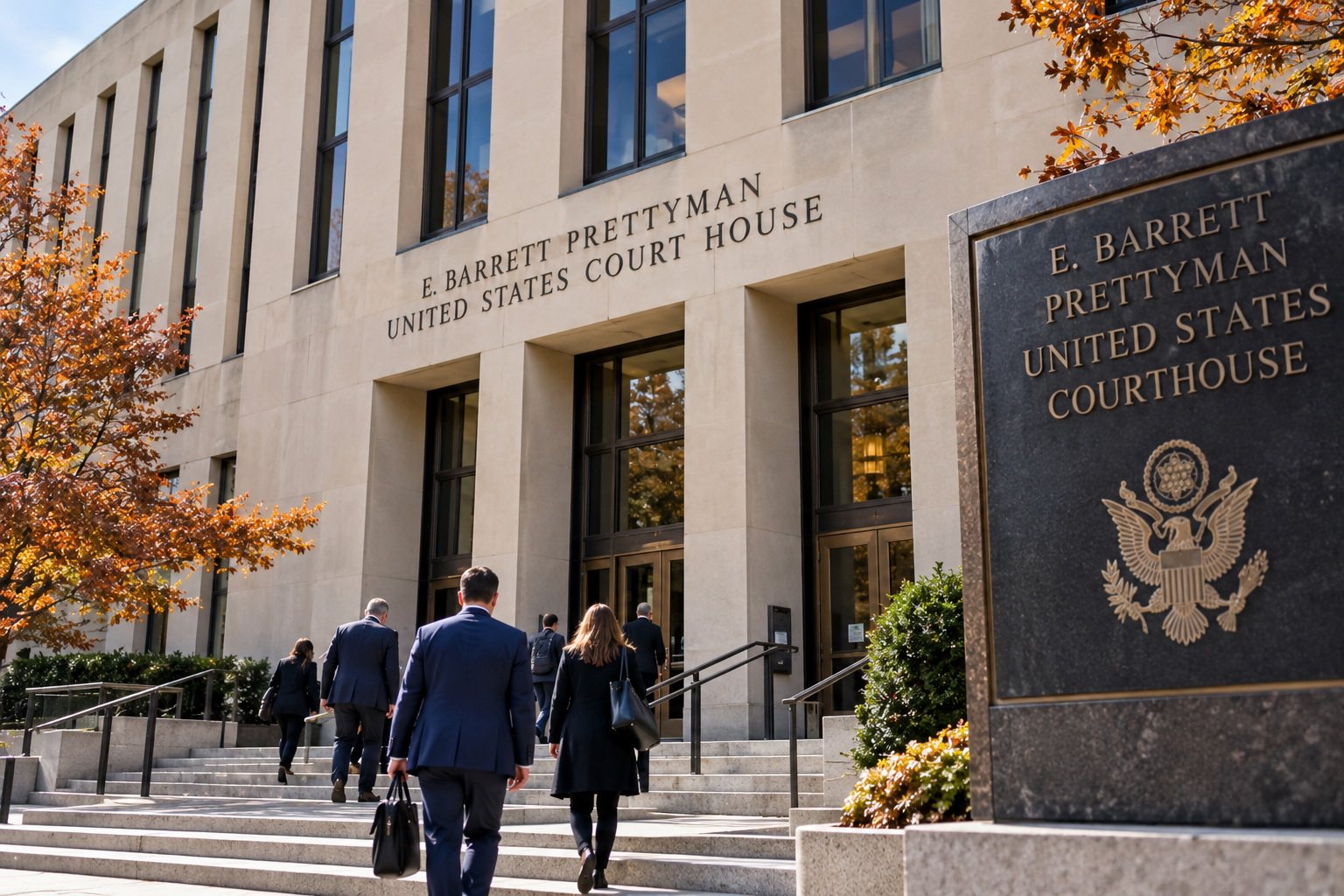
A federal judge has delivered a significant legal setback to President Donald Trump and his Republican allies, ruling that the House impeachment inquiry is legitimate and that Congress does not need a formal vote to investigate the president.
In a 75-page opinion issued Friday, Chief U.S. District Judge Beryl Howell rejected arguments advanced by the Trump administration and congressional Republicans that Democrats are conducting an unauthorized impeachment investigation.
The ruling also orders the Justice Department to provide the House Judiciary Committee with secret grand jury material from former Special Counsel Robert Mueller's investigation into Russian interference in the 2016 presidential election.
The decision strikes at two central elements of the administration's resistance to congressional oversight: its challenge to the impeachment process and its refusal to release evidence requested by lawmakers.
Judge Rejects Republican Argument
For weeks, Trump and Republican lawmakers have argued that the impeachment inquiry is invalid because House Speaker Nancy Pelosi has not held a full House vote formally authorizing the investigation.
White House Counsel Pat Cipollone made that argument in an October 8 letter announcing that the administration would refuse to cooperate with the inquiry.
Republicans have repeatedly described the investigation as unconstitutional and unfair, insisting that Democrats must follow procedures used during previous presidential impeachment investigations.
But Howell's ruling directly challenges that position.
The judge determined that neither the Constitution nor House rules require a formal vote before lawmakers can begin investigating possible impeachable conduct.
She also examined the historical record, noting that congressional investigations involving Presidents Andrew Johnson, Richard Nixon, and Bill Clinton began before formal House authorization.
Howell described the Republican interpretation of those precedents as incomplete and legally unsupported.
The decision does not resolve whether Trump committed an impeachable offense. It does, however, reject the claim that the House lacks authority to conduct its current investigation.
Justice Department Ordered to Release Mueller Evidence
The ruling delivers another setback to Attorney General William Barr's Justice Department, which has resisted congressional efforts to obtain confidential evidence collected during Mueller's investigation.
House Democrats have sought grand jury information referenced in redacted portions of Mueller's report, arguing that the material is necessary to evaluate possible presidential misconduct.
The Justice Department maintained that federal grand jury secrecy rules prohibited disclosure.
Howell disagreed, concluding that a Senate impeachment trial qualifies as a judicial proceeding under the relevant federal rules, allowing the House to seek the information in preparation for that process.
The judge ordered the department to provide the specified material by October 30.
The Justice Department says it is reviewing the decision.
Democrats Welcome the Ruling
House Judiciary Committee Chairman Jerry Nadler welcomed the decision, saying it confirms the constitutional legitimacy of the impeachment inquiry.
Nadler also emphasized that the Mueller evidence could be important to the committee's continuing examination of presidential conduct.
House Speaker Nancy Pelosi described the ruling as a rebuke to Barr's efforts to shield the president from congressional scrutiny.
Republicans, meanwhile, continue to object to the procedures Democrats are using, arguing that the minority party and the president have not been afforded adequate opportunities to participate in the process.
Those political objections remain separate from the legal question Howell addressed: whether a formal House vote is required to begin an impeachment inquiry.
According to Friday's ruling, it is not.
Impeachment Investigation Continues
The decision comes as House investigators examine Trump's July telephone conversation with Ukrainian President Volodymyr Zelensky and allegations that the administration sought politically beneficial investigations from Ukraine.
Trump has denied wrongdoing and maintains that his conversation with Zelensky was appropriate.
The White House has also resisted congressional subpoenas and sought to prevent certain administration officials from testifying.
Howell's ruling does not settle those disputes, but it strengthens the House's legal position in seeking evidence.
It also leaves the administration facing an approaching deadline to release material that Congress has been requesting for months.
The central question is no longer simply whether Republicans consider the impeachment inquiry legitimate. A federal judge has now ruled that the investigation is legally authorized, despite the administration's objections.
Whether the Trump administration complies with the order or pursues further legal challenges remains to be seen.