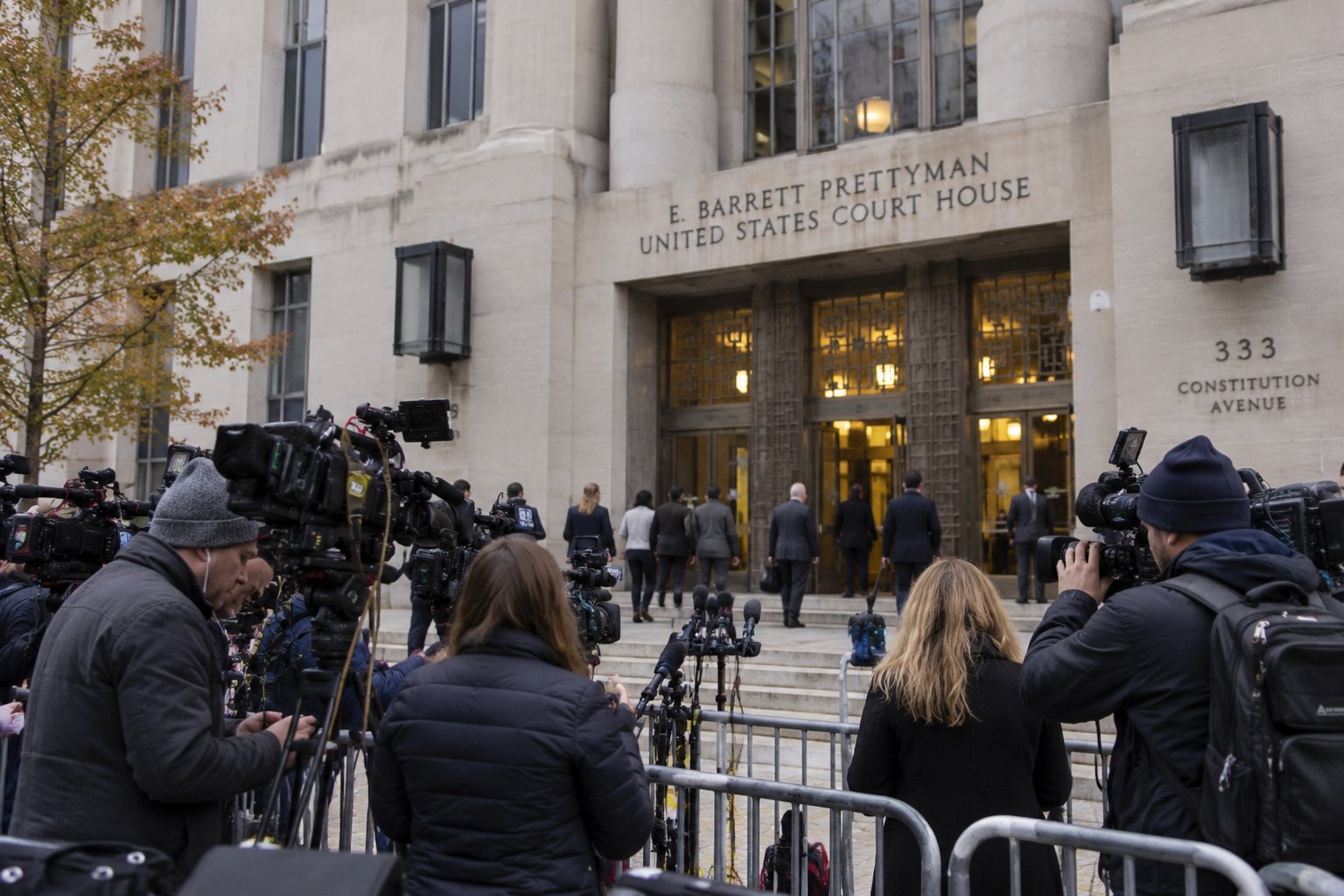
A federal judge expressed serious skepticism Thursday over former President Donald Trump's attempt to prevent congressional investigators from obtaining hundreds of pages of White House records related to the January 6 attack on the U.S. Capitol.
U.S. District Judge Tanya Chutkan sharply questioned Trump's attorneys during a hearing in Washington, challenging their argument that executive privilege allows a former president to block documents requested by Congress, even when the sitting president has authorized their release.
The dispute represents a significant legal confrontation over presidential authority and Congress's ability to investigate the violent attack that interrupted certification of the 2020 presidential election.
Trump Seeks to Block Hundreds of Records
Trump filed a lawsuit in October seeking to prevent the National Archives from releasing documents requested by the House committee investigating January 6.
The materials include White House visitor logs, telephone records, internal communications, draft speeches, and documents concerning Trump's efforts to challenge the election results.
Investigators are particularly interested in determining what Trump and his senior advisers knew, said, and did before and during the Capitol attack.
Trump's attorneys argue that the records are protected by executive privilege, a legal principle intended to preserve confidential communications within the presidency.
However, President Joe Biden has declined to assert executive privilege over the requested materials, citing the extraordinary circumstances surrounding January 6.
Judge Challenges Trump's Legal Arguments
During Thursday's hearing, Chutkan questioned whether a former president should have the authority to override the sitting president's decision regarding government records.
She also challenged the Trump legal team's argument that the congressional investigation lacks a legitimate legislative purpose.
"The January 6th riots happened in the Capitol — that is literally Congress's house," Chutkan observed.
The judge questioned how White House telephone conversations, presidential notes, and visitor records from the day of the attack could be considered irrelevant to Congress's investigation.
Chutkan also expressed concern about the breadth of certain congressional requests, including documents dating back to April 2020. However, her questioning suggested significant doubts about Trump's broader attempt to prevent disclosure.
White House Supports Congressional Investigation
Attorneys representing the Biden administration and the National Archives argued that the current president is best positioned to determine whether releasing presidential records serves the public interest.
Congressional lawyers maintained that the requested documents are essential to understanding the circumstances surrounding the attack and identifying potential legislative reforms.
Trump's legal team warned that allowing a sitting president to release a predecessor's confidential communications could weaken executive privilege and expose future administrations to politically motivated investigations.
The case raises constitutional questions about the balance of power between Congress, the presidency, and former occupants of the White House.
A Critical Decision Approaches
The National Archives is scheduled to begin releasing the first batch of documents on November 12 unless a federal court intervenes.
Chutkan said she intends to issue a ruling quickly, although the dispute could ultimately reach higher courts.
For the House January 6 committee, the documents could provide important evidence about communications inside the White House as rioters stormed the Capitol.
For Trump, the lawsuit represents another effort to prevent investigators from examining his administration's internal records.
As the court considers the competing claims, a central question remains unresolved: How much authority does a former president retain to keep government records confidential when Congress and the current president agree they should be released?