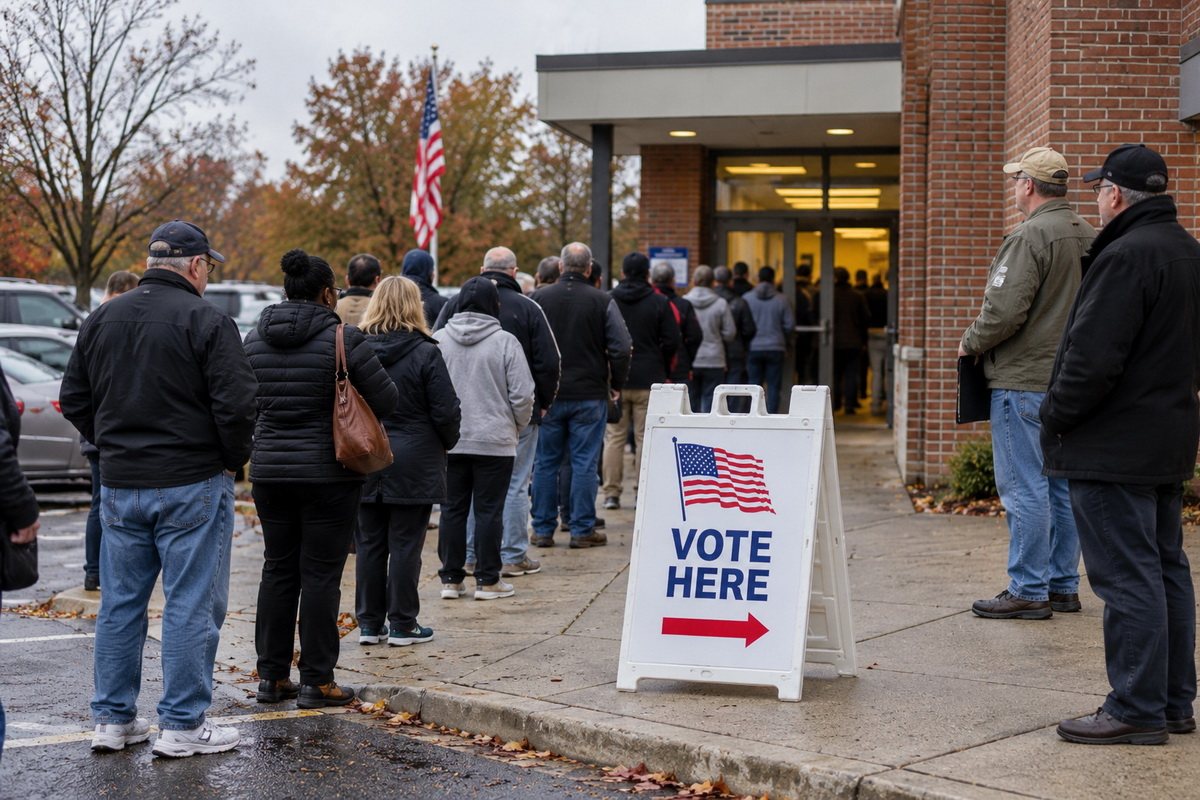
With just four days remaining before the presidential election, a federal judge in Ohio has issued a temporary restraining order against Donald Trump's presidential campaign and longtime political associate Roger Stone, prohibiting activities that could intimidate voters at polling locations.
U.S. District Judge James Gwin issued the order Friday following a lawsuit filed by the Ohio Democratic Party, which accused Trump's campaign and affiliated organizations of encouraging supporters to confront voters under the guise of preventing election fraud.
The ruling comes amid growing concerns about Trump's repeated claims that the election is rigged and his calls for supporters to monitor polling places in certain communities.
Court Orders Campaign to Stop Intimidation
The restraining order applies to Trump's campaign, Stone, and his organization, Stop the Steal.
It prohibits unauthorized poll watching, photographing or recording voters near polling locations, and questioning individuals about their eligibility to cast ballots.
The order specifically targets efforts to conduct unofficial exit polling or organize groups of supporters to challenge voters.
Judge Gwin determined that intervention was warranted because of the possibility that federal voting protections could be violated during Tuesday's election.
The court declined to impose the requested restrictions on the Ohio Republican Party, distinguishing it from the Trump campaign and Stone's organization.
Trump's Election Fraud Claims Under Scrutiny
Throughout the campaign, Trump has repeatedly warned supporters that the election could be stolen through widespread voter fraud, despite offering no substantial evidence to support those allegations.
He has urged supporters to watch polling locations, particularly in communities where he believes suspicious voting activity might occur.
Democratic officials argue that these statements could encourage unauthorized individuals to confront or discourage voters, particularly in minority neighborhoods.
The Ohio lawsuit is part of a broader legal effort involving several battleground states, including Pennsylvania, Nevada, and Arizona.
Attorneys representing Democrats contend that Trump's rhetoric and the activities of affiliated groups create a risk of voter intimidation.
Trump Campaign Disputes Allegations
Trump's attorneys have challenged the need for court intervention, arguing that voter intimidation is already prohibited under existing law.
They maintain that lawful election observation should not be confused with harassment and that the campaign should not be punished for hypothetical misconduct.
Republican officials have also disputed allegations that they are coordinating efforts to intimidate voters.
The legal dispute highlights the distinction between authorized election observers, who operate under state election rules, and unauthorized individuals attempting to question or interfere with voters.
Election Day Approaches Under Heightened Scrutiny
The ruling arrives as election officials prepare for an unusually contentious presidential contest between Trump and Democratic nominee Hillary Clinton.
Federal courts are considering related disputes over election monitoring and voter protection as both campaigns make their final appeals.
The Ohio order is intended to prevent interference before it occurs, rather than address misconduct after ballots have been cast.
For voters heading to the polls Tuesday, the central issue is straightforward: Every eligible American must be able to cast a ballot without intimidation, harassment, or interference.
With Election Day approaching, the courts are being asked to ensure that political efforts to monitor the election do not cross the line into obstructing the democratic process.