A federal judge has ordered the Trump administration to halt certain voter fraud investigations in nine states, finding that the Department of Homeland Security relied on unreliable data that could mistakenly identify American citizens as illegal voters.
U.S. District Judge Araceli Martínez-Olguín ruled Wednesday that the administration's investigation, known as the "Unlawful Voter Initiative," posed a serious risk of intimidating legitimate voters ahead of the November 3 midterm elections.
The investigation relied on millions of voter records, including commercial databases and government information that the judge found contained significant inaccuracies. Some American citizens, including naturalized citizens legally entitled to vote, were potentially identified as suspected noncitizens.
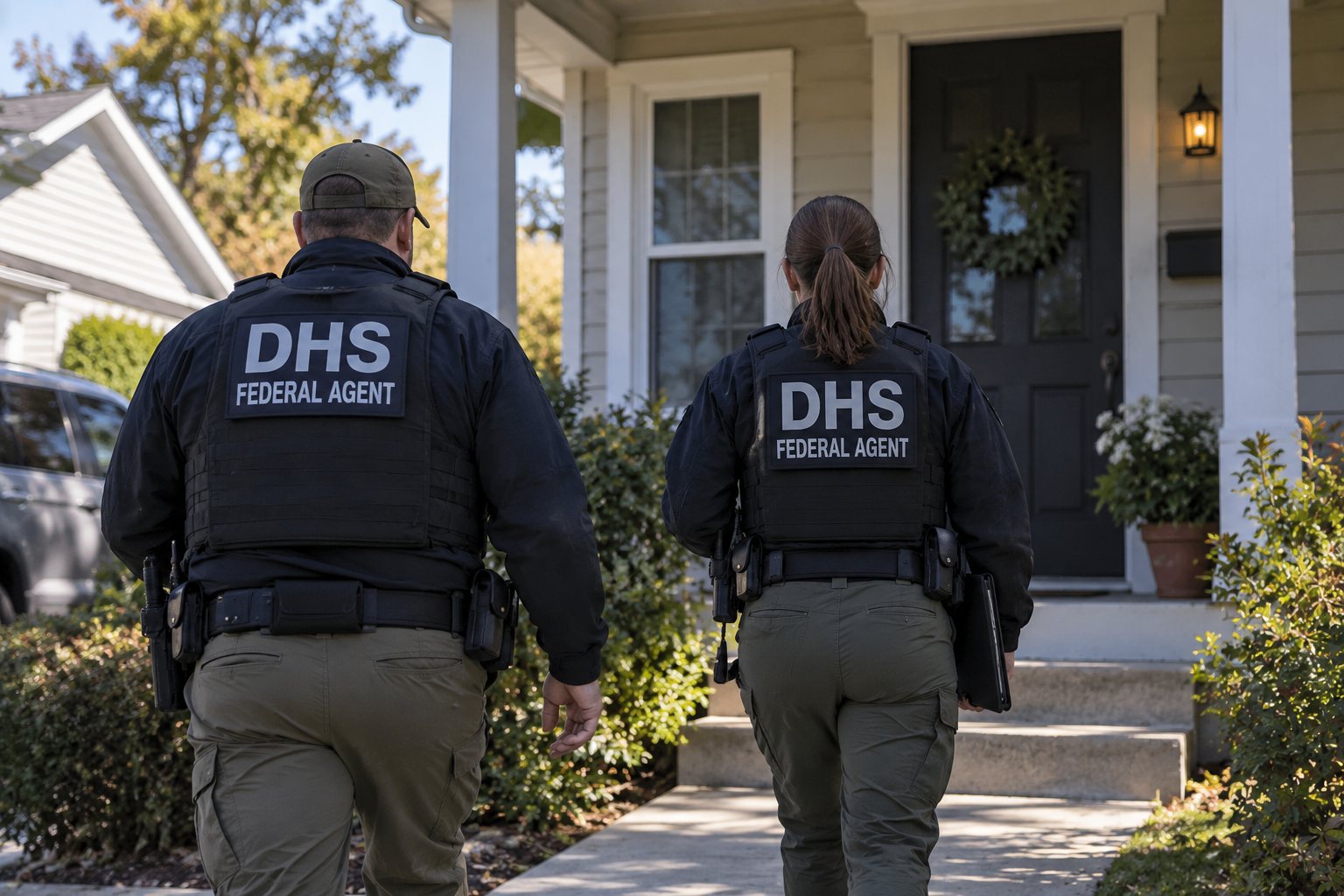
Federal agents had already begun visiting homes and questioning residents about their citizenship and voting histories. Voting rights organizations argued that these operations frightened eligible voters and discouraged participation in political activities.
The ruling restricts election-related field investigations in California, Connecticut, Georgia, Missouri, Nevada, New York, Pennsylvania, Washington, and Wisconsin. It specifically prohibits operations targeting known or suspected U.S. citizens and investigations relying solely on flawed voter-matching records.
The administration has repeatedly claimed that noncitizen voting represents a widespread election problem, despite investigations and state audits consistently finding that such voting is extremely rare.
DHS defended its initiative, maintaining that it was protecting election integrity and had no intention of investigating people it believed were American citizens.
The judge delayed implementation until Friday afternoon to allow the administration to appeal. The restrictions are scheduled to remain in effect through Election Day.
The ruling raises a fundamental concern: American citizens could face federal investigations and intimidation based on inaccurate government data, even when they have every legal right to vote.