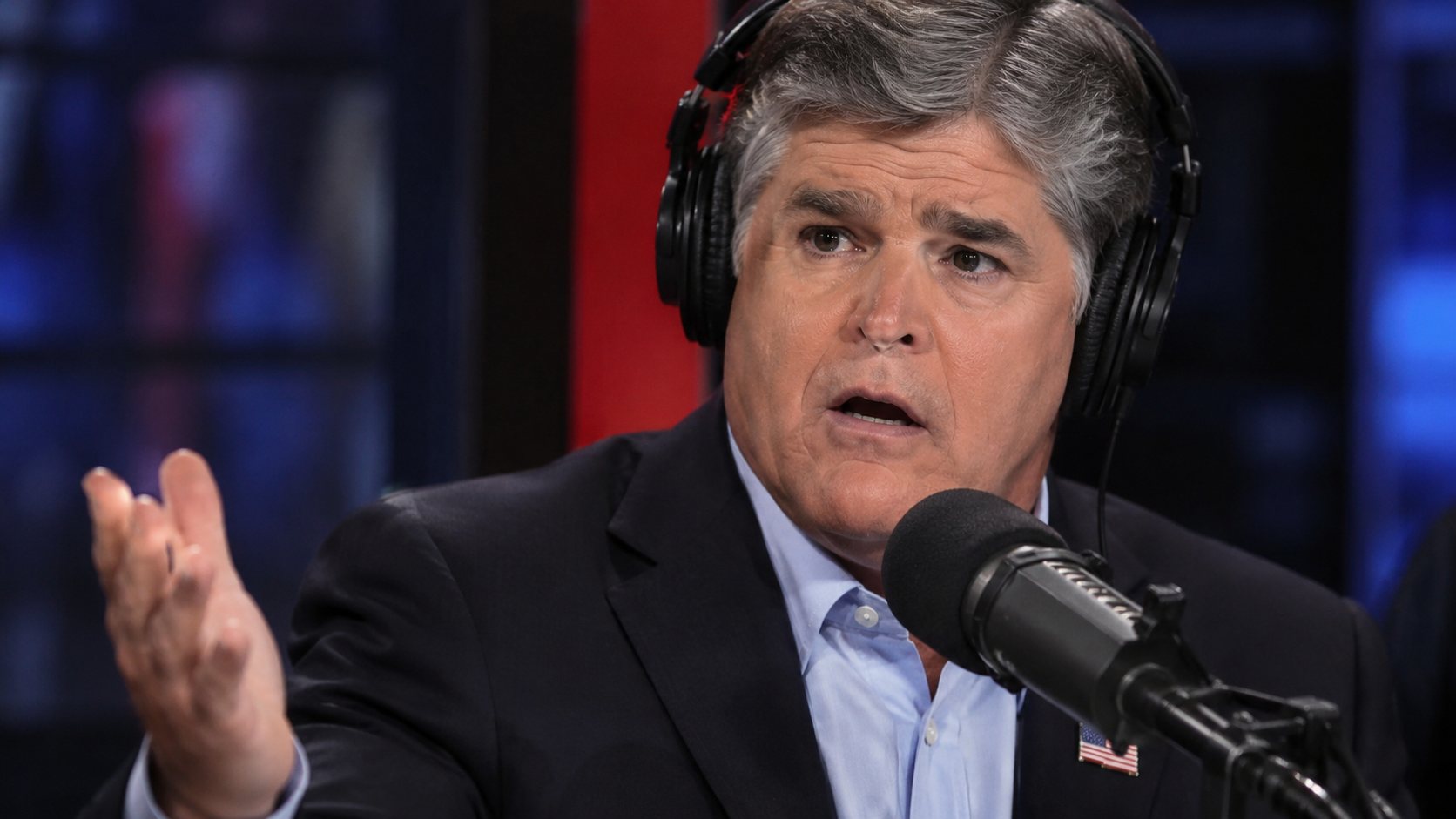
For years, Sean Hannity has been one of Donald Trump's most reliable defenders, using his television and radio programs to promote the president's agenda and dismiss criticism from political opponents. But during an October 29 broadcast of The Sean Hannity Show, the criticism wasn't coming from Democrats or liberal commentators. It was coming from Trump's own voters.
And Hannity appeared increasingly uncomfortable hearing it.
As reported by The Daily Beast and documented by Media Matters for America, several callers expressed frustration with Trump's second administration, questioning his promises, economic policies, foreign military operations, and the Republican Party's direction.
One caller, Josh from Ohio, explained that Republican voters were becoming disillusioned because Trump had promised something different from traditional Washington politics.
Josh wasn't endorsing Democrats. Instead, he questioned why Americans continually had to choose between political parties that failed to address their everyday concerns.
Hannity responded by reciting administration talking points about economic growth, tax cuts, border security, and military operations against Iran.
But Josh wanted to discuss something considerably more personal: the cost of filling his pickup truck.
He reported paying $6.49 per gallon for gasoline, a painful expense that made the administration's claims of economic success seem disconnected from his daily reality.
Rather than allowing him to finish explaining, Hannity repeatedly interrupted with additional statistics and arguments defending Trump.
The disconnect was difficult to miss. A voter was describing his financial struggles while a wealthy television personality insisted the economy was performing wonderfully.
Another caller, Travis from Virginia, said he had supported Trump since the beginning of his political movement but was reconsidering that loyalty.
Travis criticized Trump's behavior and questioned the administration's military campaign against Iran, expressing concern about American military preparedness and the consequences of another Middle Eastern conflict.
Hannity again defended the president, emphasizing military achievements and economic statistics.
But Travis remained unconvinced.
Perhaps the most troubling exchange for Republicans came from a third caller, Jon, who announced that he had become so disillusioned with American politics that he no longer intended to vote.
Jon said he felt unrepresented by either political party.
Hannity attempted to persuade him by warning about the Democratic Socialists of America and what he characterized as the dangers of Democratic policies.
The argument failed.
Jon wasn't interested in another lecture about why Democrats were supposedly worse. He had lost confidence in the political system itself.
That frustration could become a serious problem for Republicans in the November 3 midterm elections.
Trump's political success has depended heavily on enthusiastic supporters who believe he represents ordinary Americans against Washington's political establishment.
But enthusiasm becomes difficult to maintain when voters believe campaign promises have gone unfulfilled, household expenses remain burdensome, and foreign military conflicts contradict their expectations.
These three callers do not constitute a scientific measure of Republican opinion. Nevertheless, their complaints illustrate a potentially damaging political vulnerability: disillusionment among people who previously supported Trump.
Hannity's response also exposed a broader problem within conservative media.
Instead of seriously examining why Republican voters were frustrated, he repeatedly returned to defending the president and warning about Democrats.
For years, conservative commentators have encouraged Americans to believe Trump alone could solve the nation's problems.
Now, some of those same Americans are asking why their lives haven't improved as promised.
And judging by these exchanges, Sean Hannity has a much easier time defending Donald Trump than listening to the voters who helped elect him.