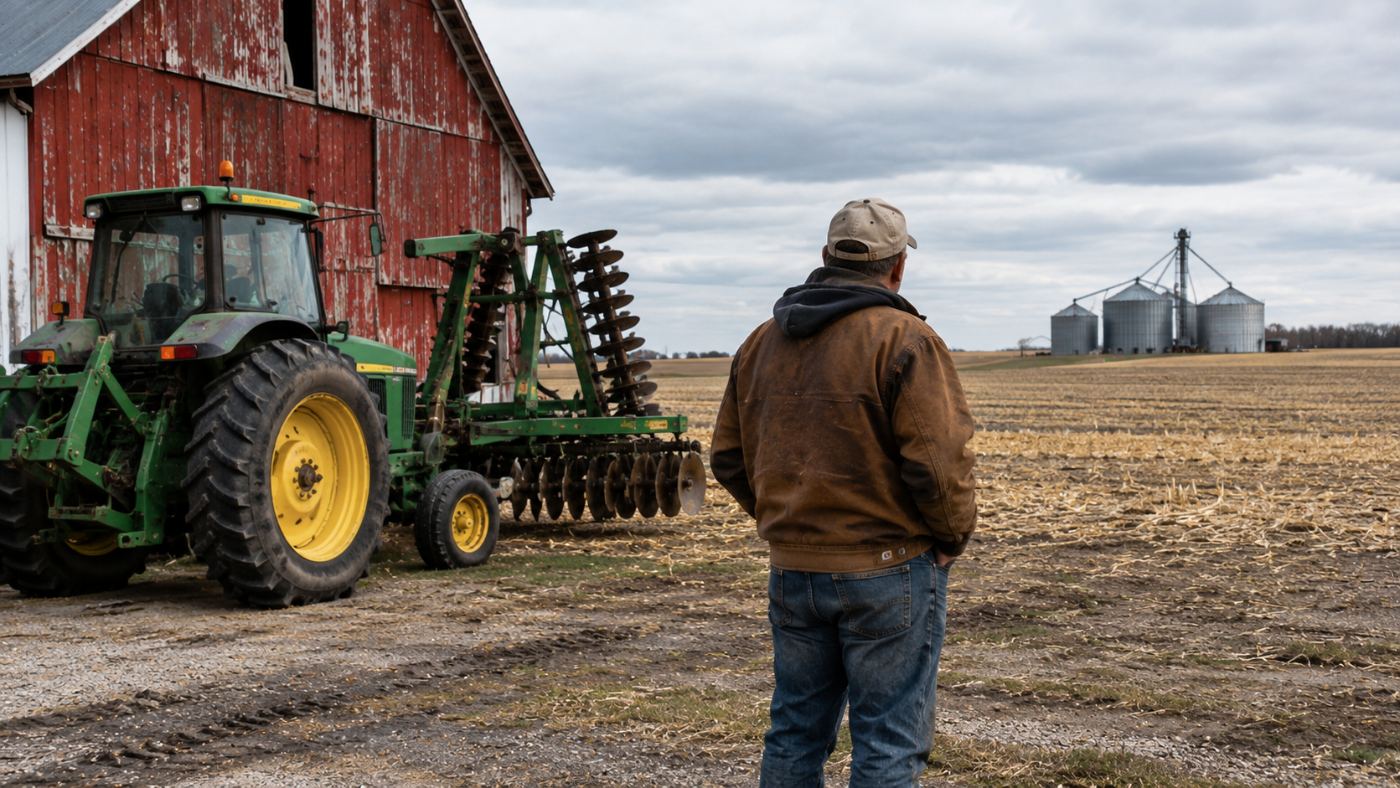
For years, rural America has been one of Donald Trump's most dependable political strongholds. Farmers, ranchers, truckers, and small-town voters helped power his return to the White House in 2024.
But following the 2026 midterm elections, even conservative commentators are acknowledging that Republicans have failed to deliver the economic improvements many rural voters expected.
In a November 16 Fox News opinion column, Jesse Ramos argued that Republicans have neglected the financial pressures facing rural communities.
The criticism comes after Democrats won control of both chambers of Congress, with rural voters shifting significantly away from Republican candidates.
The Cost of Farming Keeps Rising
According to figures cited by Fox News, American farm production expenses are projected to approach $493 billion in 2026, an increase of 4.5% from the previous year.
Meanwhile, inflation-adjusted net farm income is expected to decline 5.5%.
The cost of agricultural equipment illustrates the growing financial pressure.
A flagship John Deere combine that cost approximately $454,000 in 2012 now sells for more than $1.1 million.
During that same period, wheat prices have failed to keep pace with equipment costs.
Family farm bankruptcies increased 46% in 2025, highlighting the financial difficulties facing agricultural producers.
These trends reflect years of economic pressures, not solely policies introduced during Trump's presidency.
Trump's Tariffs Add Another Burden
Trump has repeatedly promoted tariffs as a way to protect American industries and strengthen domestic manufacturing.
However, tariffs can also increase costs for farmers who depend on imported machinery, steel, fertilizer, and agricultural equipment.
Retaliatory tariffs imposed by trading partners can make American agricultural exports less competitive.
Fox News acknowledged that these trade policies have contributed to the financial challenges facing farmers.
The administration argues that tariffs strengthen American production and improve the country's negotiating position.
For agricultural businesses, however, higher input costs and uncertainty about export markets remain significant concerns.
Billions in Government Assistance
Federal direct payments to farmers are projected to reach $47.4 billion in 2026.
Those payments provide financial support to agricultural operations struggling with rising expenses.
But Ramos argues that subsidies frequently flow through farmers to lenders, equipment manufacturers, and agricultural suppliers without addressing underlying costs.
The contradiction is significant for an administration that has emphasized reducing government spending while promoting economic independence.
Rural Voters Send a Warning
Fox News's post-election polling revealed a substantial change in rural voting patterns.
Trump carried rural voters by approximately 28 percentage points in 2024.
In the 2026 House elections, Republicans maintained an 18-point advantage among rural voters, a decline of 10 points.
Republicans still won the rural vote overall, but the shift contributed to their broader electoral difficulties.
A separate rural survey cited by Ramos found approximately three-quarters of respondents rated their local cost of living as fair or poor.
Nearly half expressed concern about meeting rent or mortgage payments.
Promises Meet Economic Reality
Ramos argues that Republicans need to address federal regulations, agricultural competition, and barriers to rural business development.
He credits the party with tax reforms while criticizing its failure to deliver broader improvements.
The debate highlights competing explanations for rural economic hardship, including federal regulation, corporate concentration, tariffs, and rising production expenses.
Trump promised economic improvements for communities that helped elect him.
The 2026 election results demonstrate that many voters remain dissatisfied with the cost of living.
For rural Americans, the pressing question is whether Washington can deliver measurable economic relief rather than another round of political promises.