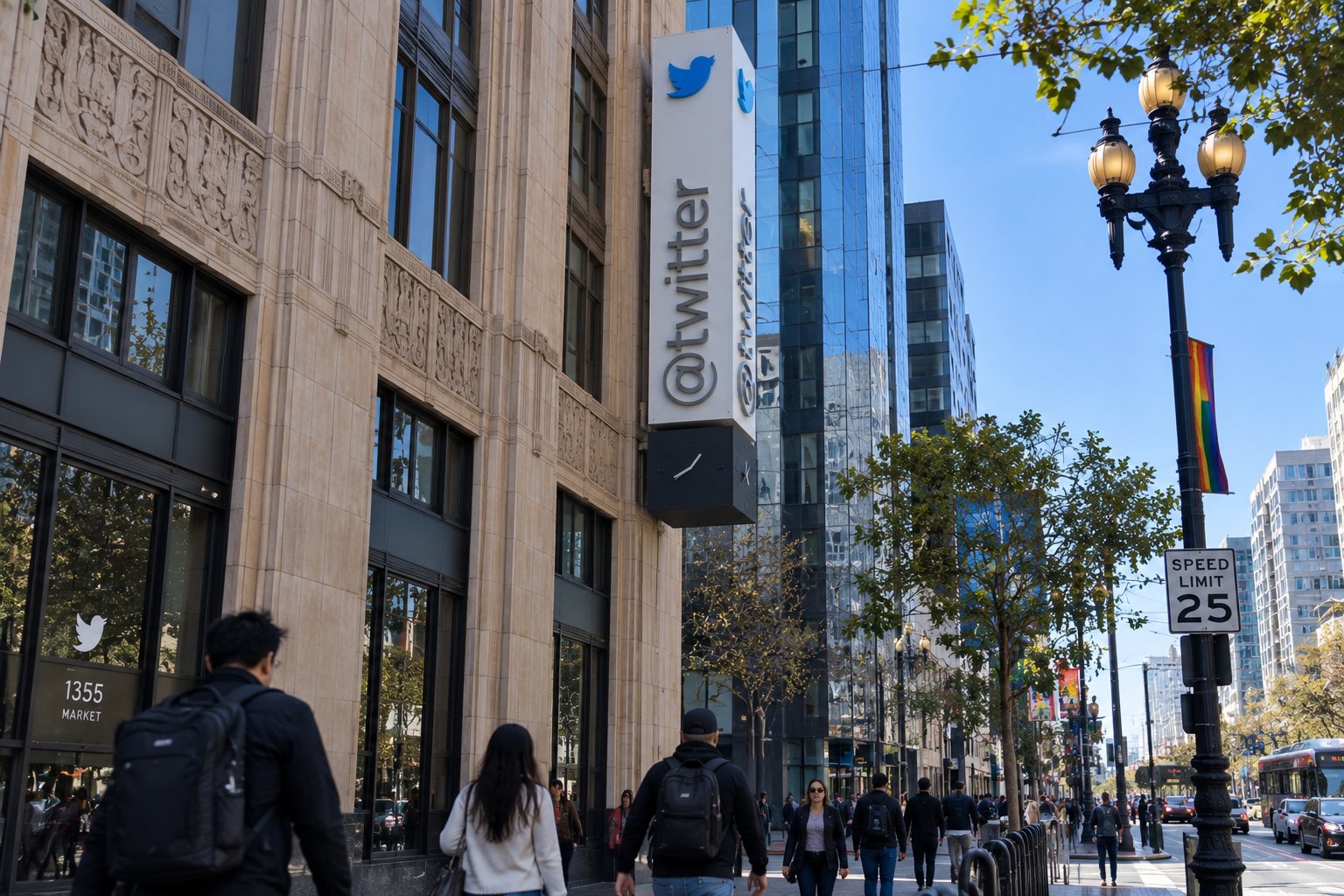
Just days after purchasing Twitter for $44 billion, billionaire Elon Musk is facing criticism for promoting an unfounded conspiracy theory about the violent attack on Paul Pelosi, husband of House Speaker Nancy Pelosi.
On Sunday, Musk responded to a tweet from former Secretary of State Hillary Clinton by sharing a link to the Santa Monica Observer, a website known for publishing false and misleading stories.
The article promoted an unsupported claim suggesting that Pelosi's personal life played a role in the attack at his San Francisco home.
There is no credible evidence supporting that allegation.
A Conspiracy Theory Reaches Millions
Musk, who has approximately 112 million Twitter followers, suggested that the circumstances surrounding the assault might be different from those reported by authorities.
His post quickly attracted widespread attention, accumulating tens of thousands of interactions before he deleted it several hours later.
The original article came from a website that has previously published fabricated stories, including a bizarre claim that Hillary Clinton had died and been replaced by a body double.
Despite the source's history of misinformation, Twitter's new owner shared its allegations with one of the platform's largest audiences.
A Violent Attack Becomes Political Misinformation
Paul Pelosi, 82, was attacked with a hammer early Friday morning after an intruder broke into the couple's San Francisco residence.
Authorities have identified the suspect as David DePape, who allegedly entered the home searching for Nancy Pelosi.
Paul Pelosi suffered serious injuries and underwent surgery for a skull fracture.
Rather than focusing on the victim and the ongoing criminal investigation, conspiracy theories have spread across social media, attempting to cast doubt on the circumstances of the assault.
Questions About Twitter's New Direction
Musk's decision to amplify the false narrative comes amid growing concerns about his plans to loosen content restrictions on Twitter.
Just days earlier, Musk assured advertisers that the platform would not become an unrestricted environment where harmful content could circulate without consequences.
His own decision to promote an unverified conspiracy theory is now drawing scrutiny over how those promises will be enforced.
Although Musk deleted the tweet, the incident demonstrates how quickly misinformation can spread when amplified by an influential public figure.
As authorities continue investigating the assault, the episode has intensified concerns about political violence, online conspiracy theories, and the responsibility of social media platforms to prevent the spread of false information.