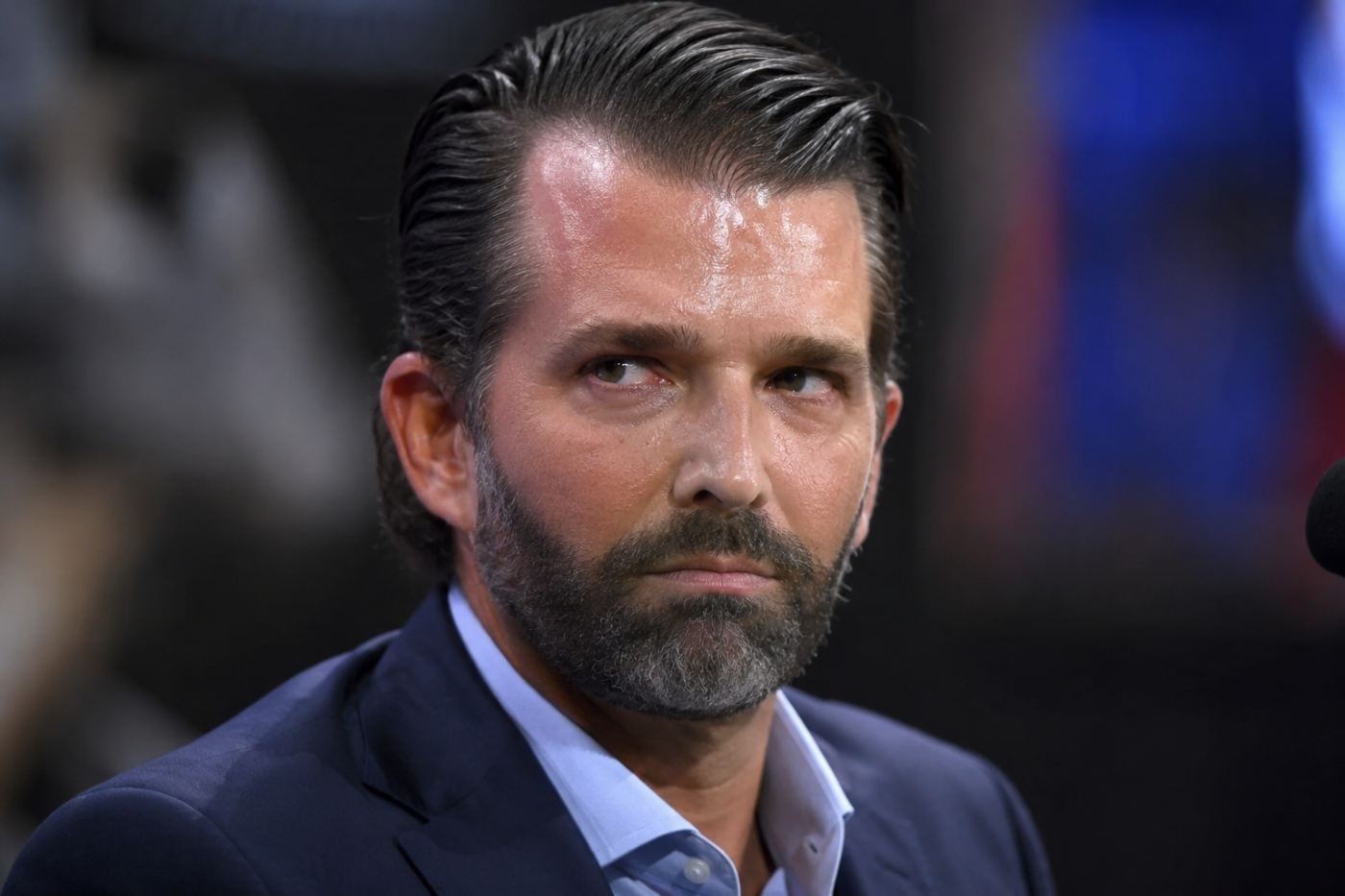
Donald Trump Jr. is out of a lucrative advisory position at prediction-market giant Kalshi, just days after Democrats swept control of both chambers of Congress and promised renewed investigations into the Trump family's business dealings.
The timing has attracted attention, particularly because the president's eldest son maintained financial relationships with two competing companies operating in an industry that has benefited from favorable treatment under his father's administration.
Kalshi insists the departure was unrelated to politics. But the circumstances raise broader questions about the intersection of presidential influence, private wealth, and government regulation.
A Lucrative Family Connection
Trump Jr. joined Kalshi as a strategic adviser in January 2025, shortly before his father's second inauguration.
According to the Financial Times, he received approximately $300,000 in company equity for his advisory role. Kalshi's valuation subsequently climbed dramatically, reaching a reported $40 billion.
The precise current value of Trump Jr.'s compensation has not been publicly established.
His responsibilities reportedly included helping the company expand its reach among conservative customers, particularly supporters of the MAGA movement.
Meanwhile, the Trump administration adopted a more accommodating regulatory approach toward prediction markets, allowing the industry to expand into previously restricted areas.
Both Kalshi and its competitor Polymarket deny that their relationships with the Trump family influenced government decisions.
The Conflict That Ended the Arrangement
Kalshi announced November 12 that Trump Jr. would no longer serve as an adviser.
The company attributed the separation to his venture capital firm, 1789 Capital, increasing its investment in Polymarket, Kalshi's principal competitor.
Trump Jr. also serves as an adviser to Polymarket.
Kalshi said discussions about ending his contract began in August, months before the midterm elections, and described the decision as mutual.
However, Reuters reported that two people familiar with internal discussions said concerns had emerged about the political consequences of retaining the president's son following the Democratic victories.
Kalshi disputed that political considerations influenced its decision.
Democrats Prepare to Investigate
The political landscape changed dramatically following the November midterms.
With Democrats securing both the House and Senate, congressional committees will gain substantial investigative authority when the new Congress convenes.
Democratic lawmakers have already indicated that the Trump family's financial connections to cryptocurrency businesses and prediction-market platforms will receive increased attention.
Among the concerns are potential conflicts of interest, insider trading, and whether politically connected companies have benefited from favorable regulatory decisions.
Senator Elizabeth Warren has questioned the oversight of prediction markets, while other lawmakers have proposed restrictions on wagering involving sensitive government activities.
The issue extends beyond Trump Jr.'s former Kalshi position. His continued involvement with Polymarket leaves questions about financial interests and political access firmly on the table.
A Changing Political Environment
For much of Trump's second presidency, businesses associated with his family operated under a Republican-controlled Congress.
The Democratic midterm victories introduce a different reality: congressional investigations could require executives and politically connected investors to answer questions under oath and produce financial records.
There is no established finding that Trump Jr. improperly influenced Kalshi's regulatory treatment, and the company maintains that his departure resulted from an ordinary business conflict.
Nevertheless, his exit illustrates how quickly the political environment surrounding the Trump family's business interests has changed.
The lucrative Kalshi advisory role is over.
The scrutiny of the family's financial relationships may only be beginning.