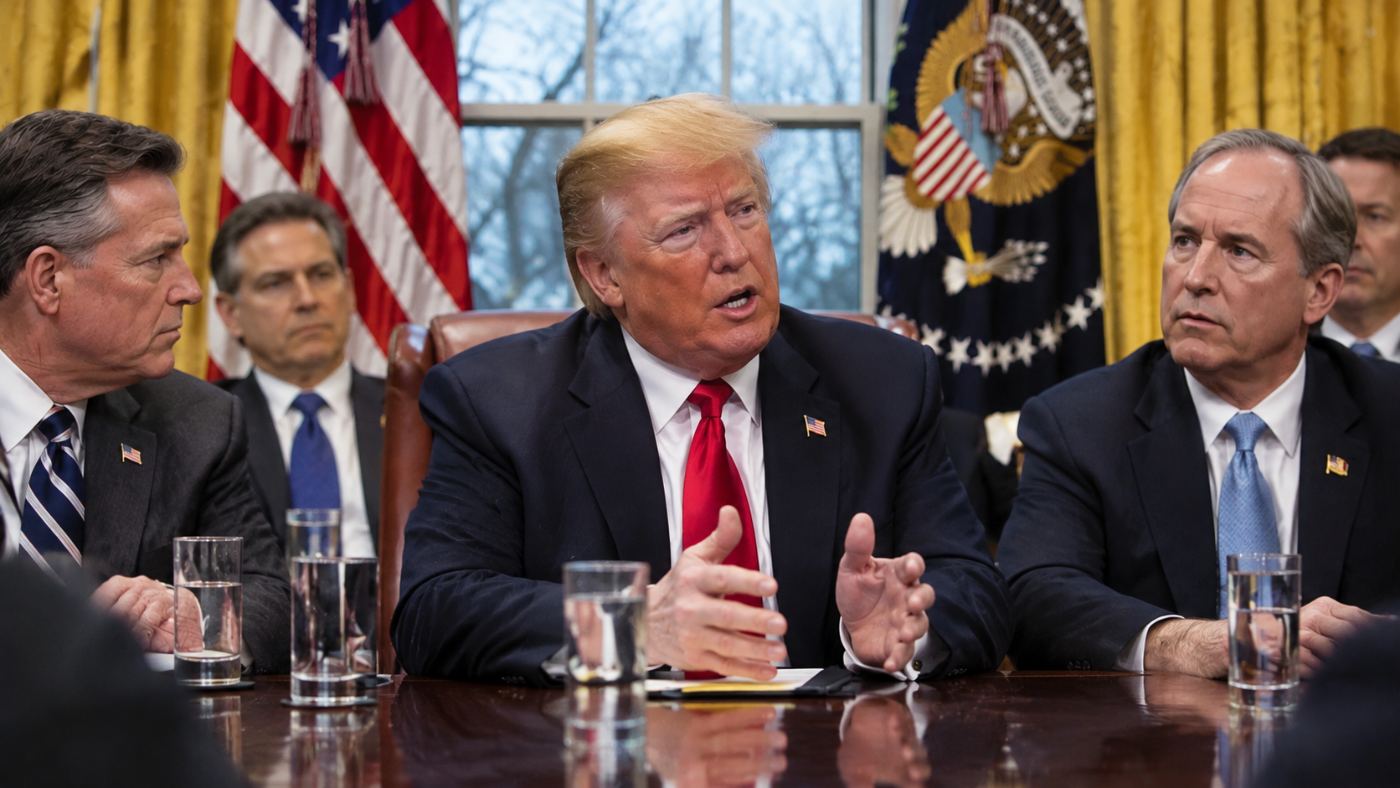
On December 10, 2020, President Donald Trump intensified his efforts to overturn the presidential election, publicly pressuring the United States Supreme Court while privately meeting with Republican state attorneys general supporting a lawsuit challenging Joe Biden's victory.
More than five weeks after Election Day, Trump continued refusing to accept his defeat, despite certified election results and repeated failures in court.
His attention had shifted toward the Supreme Court, where three of the nine justices had been appointed during his presidency.
Trump Calls on the Supreme Court to Intervene
On the morning of December 10, Trump posted a message urging the nation's highest court to intervene in the election.
He claimed the election had been rigged and called on the justices to rescue the country from what he described as unprecedented election abuse.
The allegations were unsupported by evidence establishing widespread fraud capable of changing the outcome.
Trump's public appeal came as the Supreme Court considered an extraordinary lawsuit filed by Texas Attorney General Ken Paxton.
The lawsuit sought to challenge election results in Georgia, Michigan, Pennsylvania, and Wisconsin, four states Biden had won.
Rather than contesting Texas's own election results, Paxton attempted to challenge how other states had administered their elections.
A Private White House Meeting
While publicly urging Supreme Court intervention, Trump hosted a private lunch at the White House with Republican attorneys general involved in supporting the Texas lawsuit.
Paxton was among the participants.
The meeting demonstrated Trump's direct involvement in the legal effort, rather than simply offering public support from a distance.
Attorneys general from Republican-led states argued that changes to election procedures in the four battleground states violated constitutional requirements.
Their opponents maintained that Texas had no authority to interfere with elections conducted by other states.
The targeted states had already certified their results, and Biden's victories had survived recounts and legal challenges.
Trump Personally Joins the Legal Fight
Trump had moved to intervene in the Texas lawsuit on December 9, acting in his capacity as a presidential candidate.
His legal team argued that the election procedures used by the four states had violated constitutional requirements and affected his interests.
Trump also personally asked Republican Senator Ted Cruz to argue the case before the Supreme Court if the justices agreed to hear it.
Cruz agreed.
The president's involvement placed the authority and visibility of the White House behind a legal effort that sought to invalidate election results outside Texas.
The Supreme Court Rejects the Challenge
On December 11, just one day after Trump's public appeal and White House meeting, the Supreme Court rejected the Texas lawsuit.
The Court ruled that Texas lacked standing to challenge the manner in which other states conducted their elections.
Justices Samuel Alito and Clarence Thomas indicated that they would have permitted the filing under the Court's original jurisdiction, but neither supported granting the requested relief.
The ruling left Biden's certified victories intact.
Trump nevertheless continued challenging the election results.
Why December 10 Matters
December 10, 2020, provides a documented example of Trump's personal involvement in efforts to reverse his electoral defeat.
He publicly appealed to the Supreme Court, hosted attorneys general supporting the lawsuit, and backed an extraordinary legal challenge targeting millions of votes in states he had lost.
The episode illustrates how Trump's attempts to remain in office extended beyond campaign litigation into direct presidential involvement with state officials and the nation's highest court.
Although the Supreme Court rejected the lawsuit, Trump's efforts to challenge the election continued into January 2021.