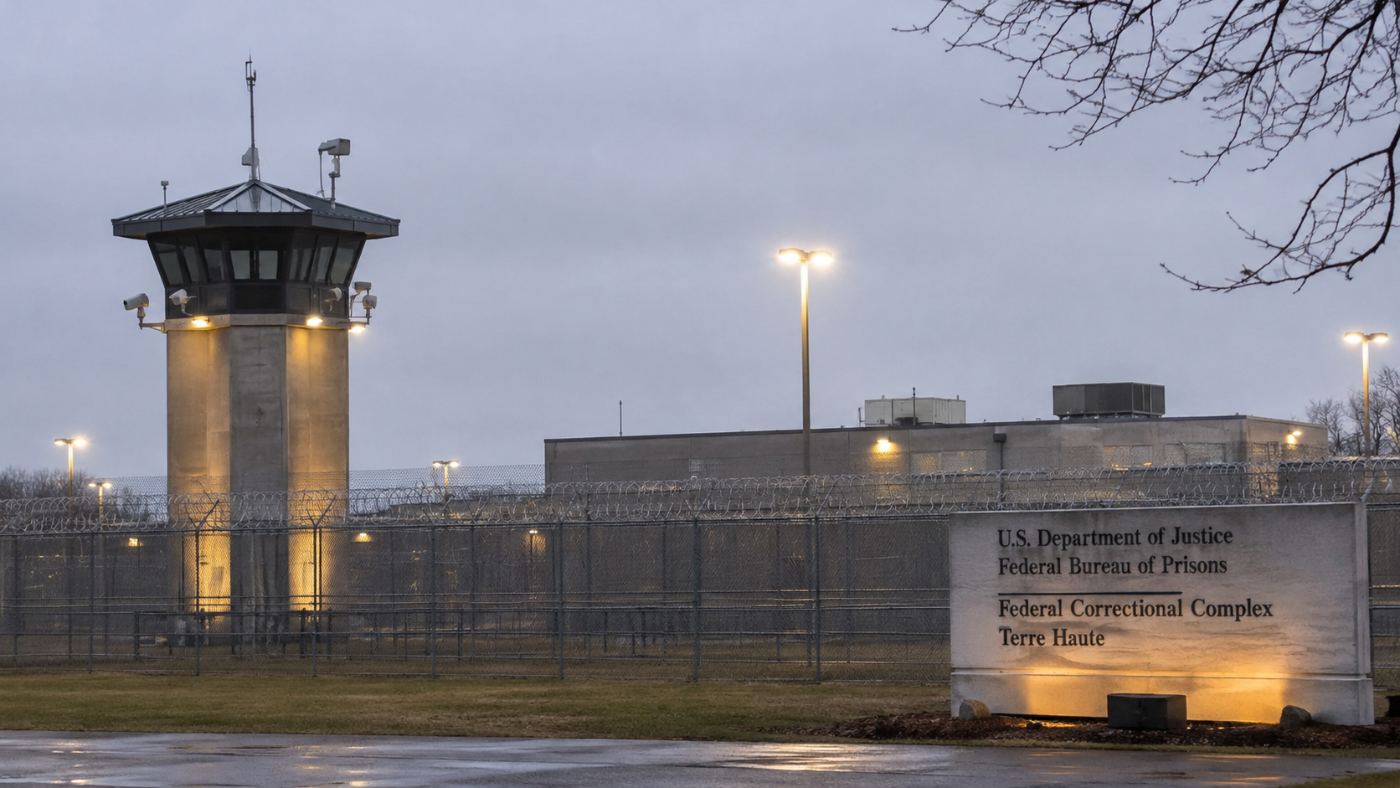
On December 10, 2020, the Trump administration executed 40-year-old Brandon Bernard at the federal penitentiary in Terre Haute, Indiana, despite last-minute appeals from former jurors, a former federal prosecutor, criminal justice advocates, and prominent public figures.
Bernard was pronounced dead at 9:27 p.m., becoming the ninth federal prisoner executed in 2020.
His execution came during the final weeks of Donald Trump's presidency, as the administration accelerated federal executions before President-elect Joe Biden took office.
A Crime Committed at Age 18
Bernard was sentenced to death for his involvement in the 1999 murders of Todd and Stacie Bagley, two youth ministers abducted and robbed in Texas.
Bernard was 18 years old when the crime occurred.
His accomplice, Christopher Vialva, shot both victims before Bernard set their vehicle on fire. Todd Bagley died from the gunshot wound, while Stacie Bagley died from smoke inhalation.
The crime was horrific, and Bernard was convicted of murder in federal court in 2000.
However, questions about his relative responsibility, evidence presented during sentencing, and his conduct during imprisonment became central to efforts to spare his life.
Former Jurors and a Prosecutor Seek Mercy
In the weeks before his execution, several jurors who had originally sentenced Bernard to death publicly supported commuting his sentence to life imprisonment.
His attorneys argued that prosecutors had withheld evidence suggesting Bernard occupied a lower position within the group responsible for the murders.
That information, they maintained, could have influenced the jury's assessment of whether Bernard would pose a future danger.
Angela Moore, a former federal prosecutor who had previously defended Bernard's death sentence on appeal, also called for reconsideration.
A former federal prison warden cited Bernard's record of good behavior behind bars as another reason to support clemency.
These appeals did not dispute the seriousness of the murders. Instead, they questioned whether execution remained an appropriate punishment.
Trump Declines to Intervene
Kim Kardashian West, who had previously worked with the Trump administration on criminal justice matters, publicly appealed to the president to commute Bernard's sentence.
Other advocates emphasized Bernard's age at the time of the crime and the concerns raised about his sentencing.
Trump had the authority to commute Bernard's death sentence to life imprisonment.
He did not grant clemency.
On December 10, the Supreme Court rejected Bernard's final request for a stay of execution.
Justices Stephen Breyer, Elena Kagan, and Sonia Sotomayor opposed allowing the execution to proceed without further review.
Sotomayor expressed concern that Bernard's allegations of withheld evidence and false testimony had never received a full judicial examination.
An Unusual Wave of Federal Executions
The Trump administration resumed federal executions in July 2020 after a 17-year hiatus.
By December 10, nine federal prisoners had been executed that year.
Bernard's execution was particularly unusual because it occurred during a presidential transition, a period when outgoing administrations had historically avoided carrying out federal death sentences.
The administration scheduled additional executions before Biden's January 20 inauguration.
Biden had campaigned on opposing the federal death penalty, making the timing of the executions especially consequential.
Why December 10 Matters
Brandon Bernard's execution became a defining example of the Trump administration's renewed use of federal capital punishment.
The case raised questions about prosecutorial evidence, the treatment of young offenders, executive clemency, and the finality of death sentences.
It also illustrated the administration's determination to continue executions during its final weeks, despite appeals for reconsideration and an approaching change in presidential leadership.
The execution could not be reversed, and the unresolved concerns surrounding Bernard's sentencing remained part of the historical record.