On December 10, 2020, 106 Republican members of the U.S. House of Representatives formally supported a Supreme Court lawsuit seeking to invalidate presidential election results in four states won by Joe Biden.
The extraordinary intervention came more than a month after Americans voted Donald Trump out of office and demonstrated how extensively the president's efforts to challenge his defeat had spread through the Republican Party.
Rather than accepting certified election results, a majority of House Republicans backed a legal effort that could have prevented millions of Americans' votes from determining the presidency.
Texas Attempts to Overturn Four States
The lawsuit, filed by Texas Attorney General Ken Paxton, targeted Pennsylvania, Georgia, Michigan, and Wisconsin.
All four states had certified Biden's victories.
Texas argued that changes to election procedures, particularly those implemented during the COVID-19 pandemic, violated constitutional requirements.
The lawsuit asked the Supreme Court to intervene in the states' selection of presidential electors, potentially overturning Biden's Electoral College victory.
The allegations came despite the absence of evidence establishing widespread voter fraud sufficient to change the election outcome.
Trump publicly supported the lawsuit, treating it as one of his remaining opportunities to reverse his defeat.
Mike Johnson Organizes Republican Support
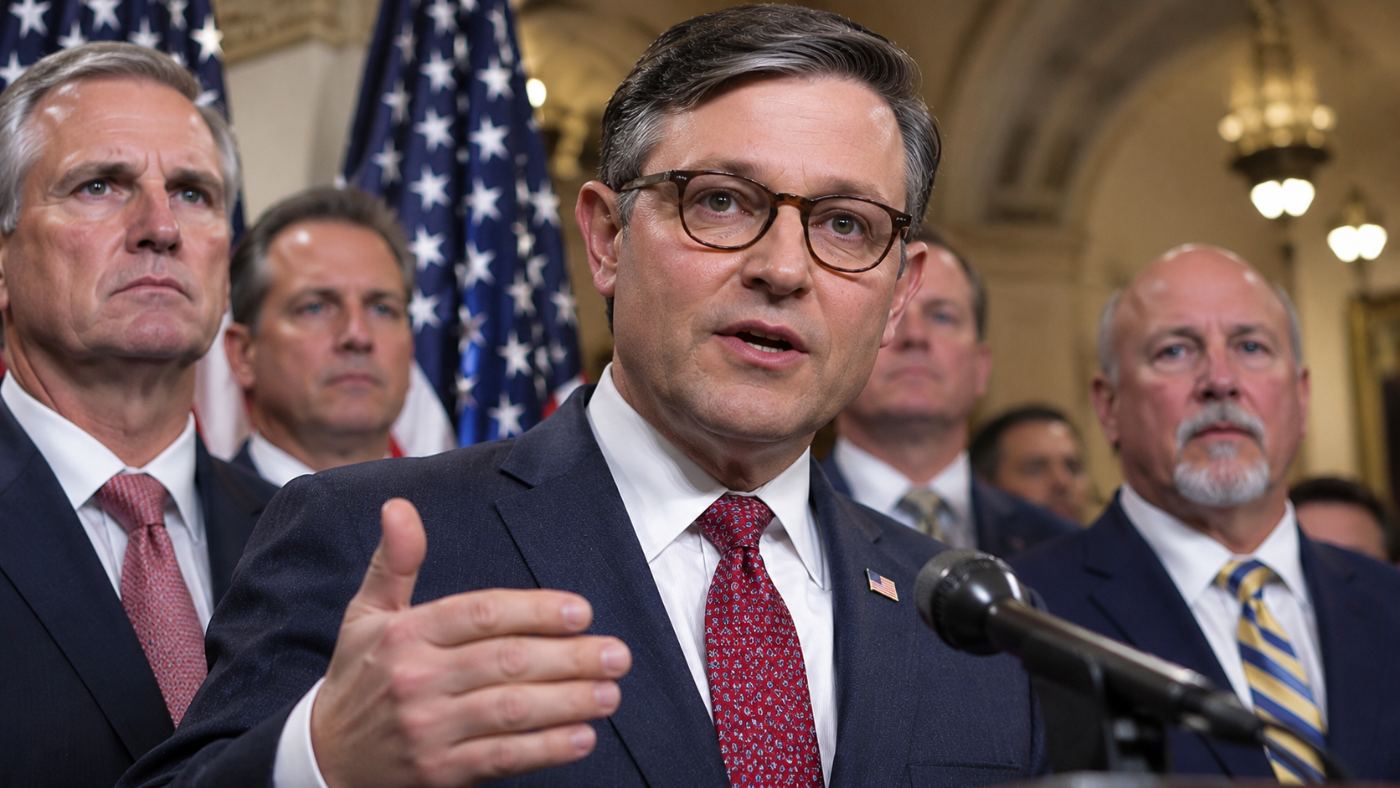
Louisiana Republican Congressman Mike Johnson played a central role in organizing congressional backing for the lawsuit.
Johnson circulated a request asking Republican colleagues to sign a friend-of-the-court brief supporting Texas.
According to contemporaneous reporting, Johnson told lawmakers that Trump would be reviewing the list of supporters.
By December 10, 106 of the House's 196 Republicans had signed.
Among them was House Minority Whip Steve Scalise, one of the chamber's senior Republican leaders.
Johnson would later become Speaker of the House, giving his involvement in the 2020 election challenge additional historical significance.
A Challenge to Millions of Votes
The congressional brief argued that questions about election procedures justified Supreme Court consideration.
Supporters maintained that state officials and courts had improperly changed election rules without sufficient legislative authorization.
Critics argued that the lawsuit represented an attempt to disregard the certified results of other states simply because the Republican presidential candidate had lost.
Even some Republicans rejected the effort.
Texas Congressman Chip Roy warned that allowing one state to challenge another state's election administration threatened principles of federalism.
The dispute exposed a division within the Republican Party between lawmakers supporting Trump's election challenges and those defending the established electoral process.
The Supreme Court Rejects the Case
On December 11, the number of Republican representatives supporting the lawsuit increased to 126, including House Minority Leader Kevin McCarthy.
That evening, the Supreme Court rejected Texas's attempt to bring the case.
The Court concluded that Texas lacked a legally recognizable interest in how other states conducted their elections.
The ruling left the certified results intact and Biden's Electoral College victory unchanged.
Why December 10 Matters
December 10, 2020, marked a significant moment in the aftermath of the presidential election.
Trump's attempts to reverse his defeat were no longer confined to his campaign, attorneys, or public statements.
A majority of Republican House members had formally supported a legal challenge capable of disrupting the certified results in four states.
The Supreme Court rejected the effort, but the congressional involvement became an important part of the historical record of the attempt to overturn the 2020 presidential election.