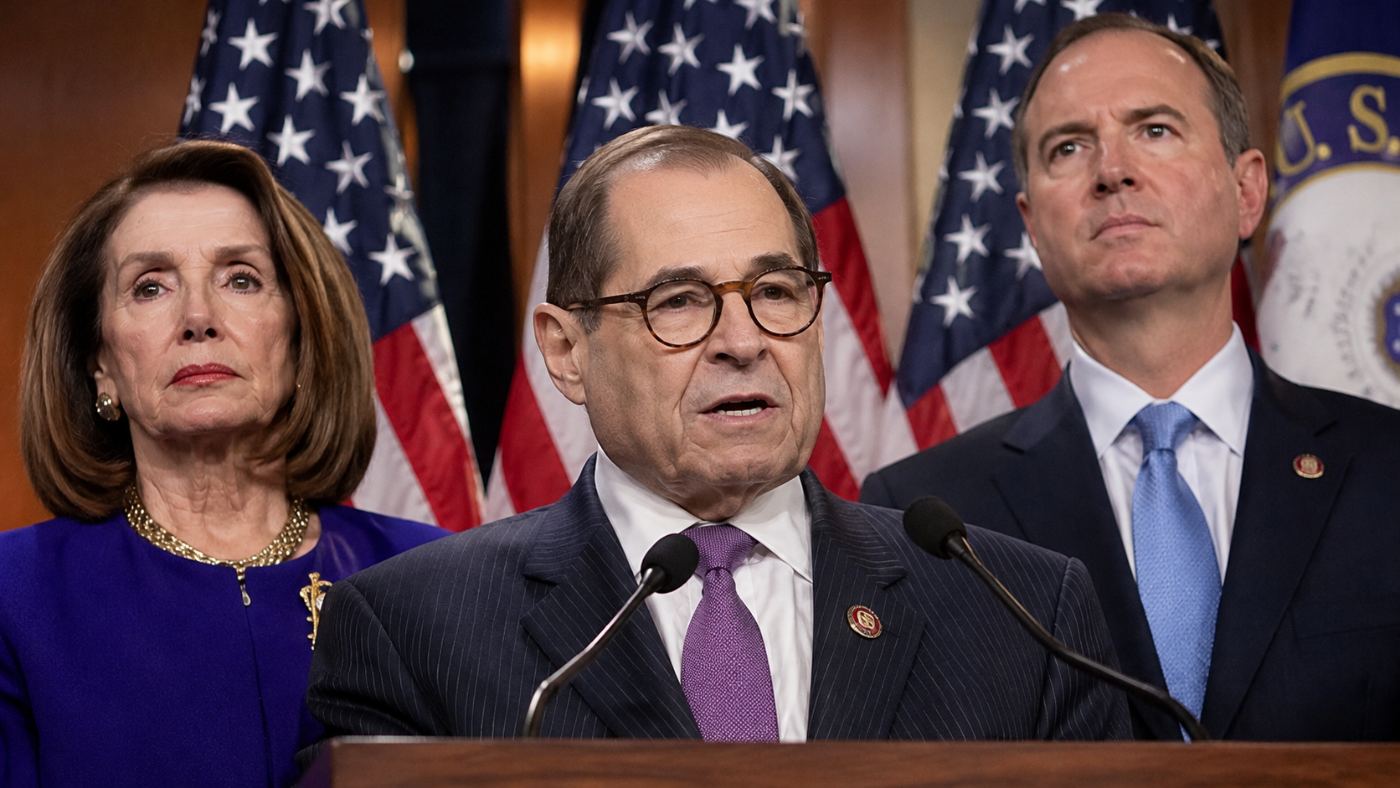
On December 10, 2019, House Democrats formally unveiled two articles of impeachment against President Donald Trump, accusing him of abusing presidential power and obstructing Congress during an investigation into his dealings with Ukraine.
The announcement marked a historic escalation in the impeachment inquiry and placed Trump on a path toward becoming the third American president to be impeached by the House of Representatives.
The Ukraine Pressure Campaign
The impeachment investigation centered on Trump's July 25, 2019, telephone conversation with Ukrainian President Volodymyr Zelenskyy.
During the call, Trump asked Zelenskyy to investigate Joe Biden, a potential Democratic opponent in the 2020 presidential election, and matters involving a discredited theory about Ukrainian interference in the 2016 election.
At the time, the Trump administration had placed a hold on approximately $391 million in congressionally approved military assistance to Ukraine.
Investigators examined whether Trump had used that assistance and the prospect of a White House meeting to pressure Ukraine into announcing investigations that could benefit him politically.
Trump denied wrongdoing and repeatedly described the conversation as appropriate.
Article One: Abuse of Power
The first article accused Trump of using the powers of the presidency to solicit foreign interference in an American election.
House investigators concluded that Trump had conditioned important official actions on Ukraine publicly announcing investigations involving his political interests.
Democrats argued that the president had placed his personal political objectives above American national security and the integrity of the electoral process.
The accusation represented the central constitutional argument for impeachment: that presidential authority had been used for personal political advantage.
Article Two: Obstruction of Congress
The second article accused Trump of obstructing the House impeachment investigation.
The administration had refused to provide documents requested by congressional investigators and directed several officials not to cooperate with subpoenas.
Democrats argued that Trump's sweeping refusal to participate represented an unprecedented attempt to prevent Congress from exercising its constitutional oversight responsibilities.
The White House maintained that the investigation was unfair and that the president was entitled to challenge congressional demands.
A Historic Announcement
House Judiciary Committee Chairman Jerry Nadler announced the articles alongside House Intelligence Committee Chairman Adam Schiff and other Democratic leaders.
Speaker Nancy Pelosi supported the decision to proceed.
The announcement followed weeks of testimony from diplomats, national security officials, and other witnesses who described the administration's efforts to obtain Ukrainian investigations.
Republicans largely defended Trump, arguing that Democrats had failed to establish an impeachable offense.
What Happened Next
On December 18, 2019, the House of Representatives approved both articles.
The abuse-of-power article passed 230–197, while obstruction of Congress passed 229–198.
Trump became the third president in American history to be impeached, following Andrew Johnson and Bill Clinton.
The Republican-controlled Senate subsequently acquitted Trump on both charges on February 5, 2020.
Why December 10 Matters
The announcement established the formal charges that would define Trump's first impeachment.
It also highlighted a fundamental constitutional dispute over presidential power, congressional oversight, and the use of American foreign policy for potential electoral advantage.
Although the Senate ultimately acquitted Trump, December 10, 2019, remains a defining date in the historical record of his first presidency.