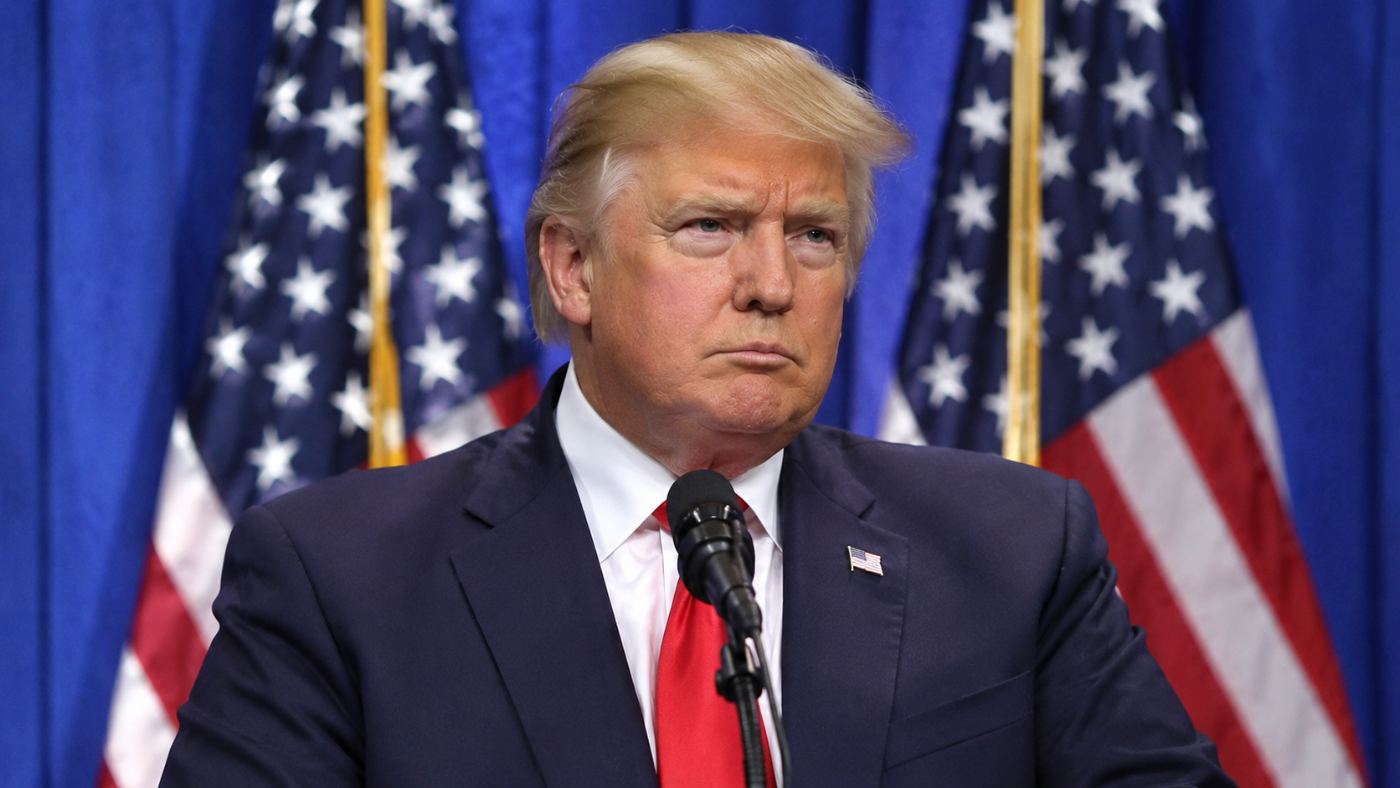
On December 10, 2016, President-elect Donald Trump's rejection of a CIA assessment that Russia had interfered in the presidential election to help him defeat Hillary Clinton triggered a growing confrontation between the incoming administration and America's intelligence agencies.
The dispute followed a December 9 Washington Post report revealing that CIA officials had concluded Russia's election interference was intended not merely to undermine American democracy, but to improve Trump's chances of winning the presidency.
Rather than acknowledge the seriousness of the findings, Trump's transition team publicly challenged the intelligence community's credibility.
Intelligence Officials Identify Russian Interference
According to officials briefed on the classified assessment, American intelligence agencies had identified individuals connected to the Russian government who supplied thousands of stolen Democratic Party emails to WikiLeaks.
The stolen material included communications from the Democratic National Committee and Clinton campaign chairman John Podesta.
Intelligence officials believed the operation was designed to damage Clinton politically and benefit Trump.
The CIA's assessment represented an important development because it identified helping Trump win as a Russian objective, rather than simply creating confusion about the American electoral system.
At the time, the assessment had not yet been formally adopted by every American intelligence agency.
Trump's Team Attacks the CIA
Trump's transition team responded on December 9 with a statement questioning the intelligence community's reliability.
The statement invoked the intelligence failures surrounding Iraq's alleged weapons of mass destruction before the 2003 invasion.
It also argued that the election was finished and that Americans should move forward.
The following day, the confrontation dominated national political coverage.
Trump had already expressed skepticism about Russian involvement, suggesting that other countries or individuals could have been responsible for the cyberattacks.
His rejection placed the president-elect at odds with intelligence professionals responsible for identifying foreign threats to the United States.
Congressional Leaders Demand Answers
The CIA findings prompted calls for a congressional investigation.
On December 10, Democratic Senator Chuck Schumer urged Congress to examine Russian interference and determine what had occurred.
Some Republicans also expressed concern.
Senators John McCain and Lindsey Graham supported further scrutiny of Russian activities, while other Republican lawmakers questioned the intelligence findings or their significance.
The disagreement created an unusual political situation: the incoming president was publicly disputing intelligence assessments concerning a foreign government's efforts to influence the election he had just won.
What Later Investigations Established
In January 2017, the U.S. intelligence community formally assessed that Russian President Vladimir Putin had ordered an influence campaign targeting the American election.
The assessment concluded that Russia sought to undermine public confidence in the democratic process, damage Clinton, and help Trump's electoral prospects.
Subsequent investigations, including Special Counsel Robert Mueller's investigation and the bipartisan Senate Intelligence Committee inquiry, documented extensive Russian interference.
Mueller's investigation did not establish that the Trump campaign criminally conspired or coordinated with the Russian government in its election interference activities.
The investigations nevertheless confirmed that Russian interference was real, contradicting Trump's repeated suggestions that the intelligence findings were unfounded.
Why December 10 Matters
December 10, 2016, marked an early confrontation between Trump and the intelligence agencies he would soon oversee.
Rather than treating reports of foreign election interference as a national security concern requiring investigation, Trump's transition team challenged the credibility of the agencies delivering the warnings.
The dispute foreshadowed years of conflict over Russia, intelligence assessments, and the political consequences of foreign interference in American elections.
It remains an important moment in understanding the relationship between Trump's presidency and the American intelligence community.