President Donald Trump had demanded $5.7 billion from Congress for construction of his border wall.
Congress said no.
So on February 15, 2019, Trump declared a national emergency at the southern border and turned to executive authority to obtain billions of dollars beyond what lawmakers had agreed to provide.
It was the culmination of a confrontation that had already produced the longest government shutdown in American history.
For 35 days, parts of the federal government had remained closed as Trump insisted that any spending agreement include billions for his wall. Hundreds of thousands of federal workers were furloughed or required to work without receiving their regular paychecks.
Trump eventually reopened the government without receiving the $5.7 billion he had demanded.
Congress then negotiated a new spending agreement.
It provided $1.375 billion for approximately 55 miles of primary pedestrian fencing in the Rio Grande Valley — more than $4 billion short of Trump's demand.
Trump signed the legislation.
Then, on the very same day, he announced that he would attempt to obtain billions more through executive action.
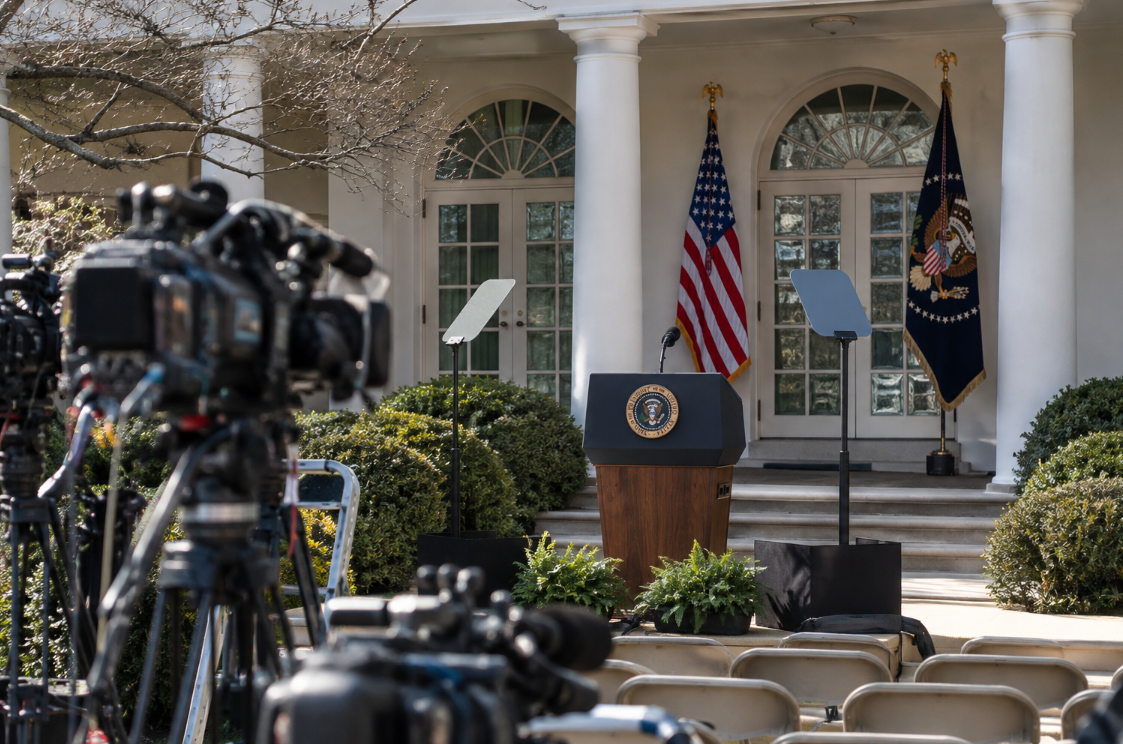
Standing in the White House Rose Garden, Trump declared a national emergency along the southern border, opening the door for his administration to redirect money Congress had appropriated for other purposes.
The administration identified billions of dollars it planned to obtain from several sources, including Department of Defense funds.
The move raised an enormous constitutional question.
Congress possesses the power of the purse. Lawmakers had debated border security, considered Trump's request and ultimately appropriated substantially less money for fencing than the president wanted.
Trump was now attempting to obtain additional money without persuading Congress to give it to him.
The president argued that conditions along the border justified extraordinary action.
“We're talking about an invasion of our country,” Trump said, invoking illegal immigration, drugs, human trafficking and criminal gangs.
Then Trump made a statement that immediately complicated his argument that an emergency required immediate presidential action.
“I could do the wall over a longer period of time,” Trump said. “I didn't need to do this, but I'd rather do it much faster.”
The remark quickly became part of the controversy surrounding the declaration.
If construction could proceed through the normal process but the president simply wanted it completed faster, critics asked, what exactly made it a national emergency?
Trump also openly anticipated that his declaration would be challenged in court.
He predicted that his administration would lose in some lower courts, continue appealing and eventually reach the Supreme Court.
The fight also moved back to Congress.
Lawmakers would soon pass a resolution attempting to terminate Trump's emergency declaration, with some Republicans joining Democrats in opposing the president's action.
Trump would veto it.
The dispute would then become a sprawling battle involving Congress, federal courts, the Pentagon and billions of dollars originally appropriated for other purposes.
The February 15 declaration represented a significant escalation in Trump's struggle to build the signature project of his 2016 campaign.
First, he demanded that Congress pay for the wall.
Then he allowed the government to shut down while attempting to force Congress to provide the money.
When that failed, he held rallies and continued campaigning for it.
When Congress still refused to provide the full amount he wanted, Trump invoked emergency powers.
The wall fight was no longer simply a dispute over immigration policy.
It had become a confrontation over how far a president could go when Congress refused to fund one of his priorities.