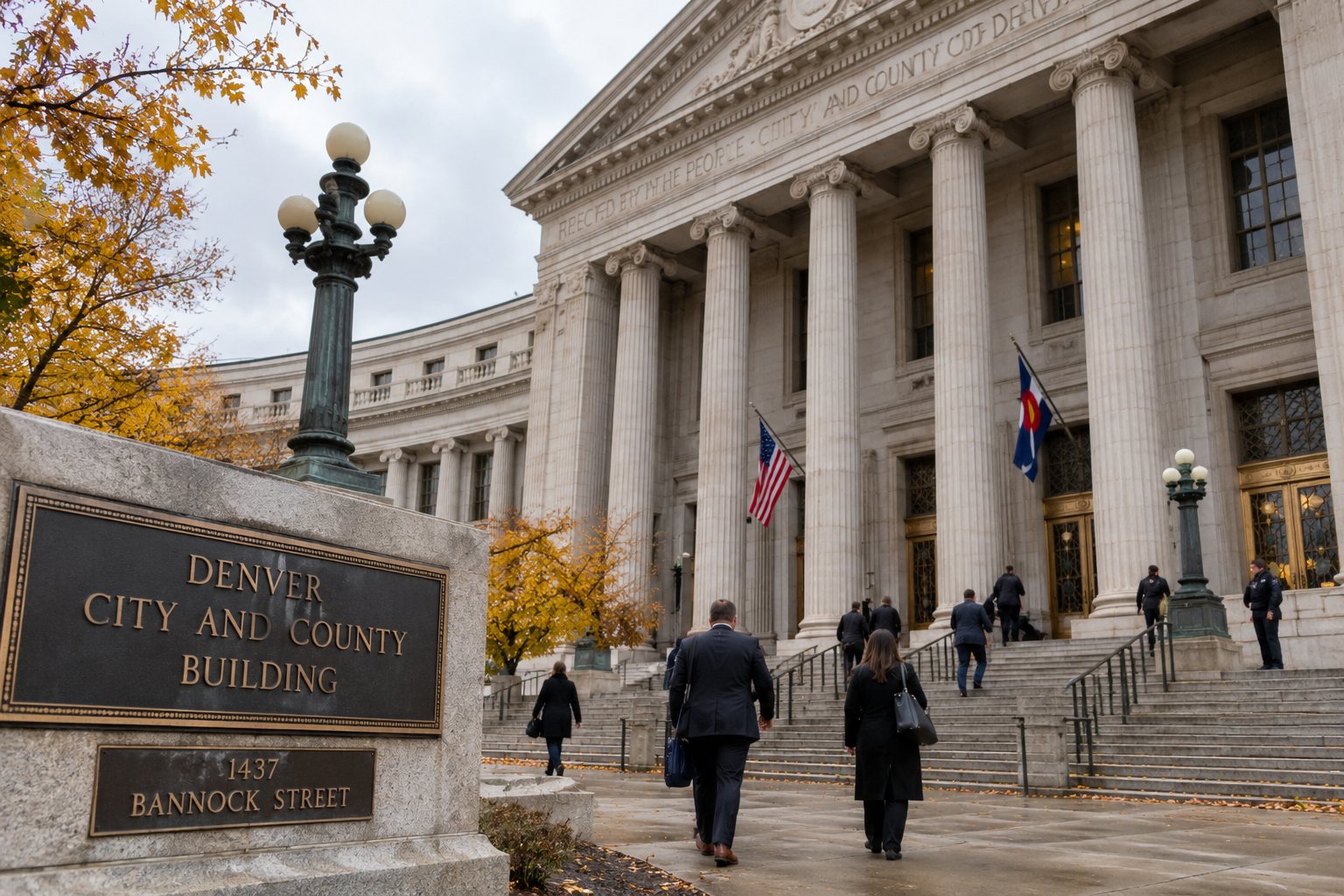
A Colorado courtroom heard testimony Tuesday examining whether former President Donald Trump's actions surrounding the January 6, 2021, attack on the U.S. Capitol make him constitutionally ineligible to return to the White House.
The lawsuit, brought by four Republican and two unaffiliated Colorado voters, seeks to remove Trump from the state's 2024 presidential primary ballot under Section 3 of the 14th Amendment.
The rarely invoked constitutional provision prohibits certain officials who previously swore to support the Constitution from holding office if they subsequently engaged in insurrection or rebellion.
Trump's Actions Under Examination
The case centers on Trump's efforts to overturn the 2020 presidential election and his conduct before and during the Capitol attack.
Attorneys challenging Trump's eligibility argue that his repeated false claims of election fraud, his encouragement of supporters to gather in Washington, and his response to the violence amounted to participation in an insurrection.
On Tuesday, extremism expert Peter Simi testified about Trump's rhetoric and its reception among far-right groups, arguing that extremist supporters interpreted his statements as encouragement.
Constitutional law professor William Banks also testified that Trump possessed presidential authority to respond to the violence at the Capitol, including the ability to mobilize federal resources.
The testimony followed Monday's accounts from police officers and other witnesses who described the attack on Congress.
Trump's Lawyers Challenge the Case
Trump's attorneys reject the effort to disqualify him, arguing that his political statements are protected by the First Amendment and that Section 3 does not apply to the presidency in the manner the plaintiffs claim.
They also dispute the characterization of Trump's conduct as participation in an insurrection.
The legal dispute raises questions about whether the constitutional provision applies to former presidents, what constitutes engaging in an insurrection, and whether a state court can enforce the restriction through its election procedures.
A Constitutional Question With National Implications
Section 3 was adopted after the Civil War to prevent certain former Confederates from returning to positions of government authority.
Its potential application to a former president seeking another term presents an unusual constitutional dispute.
Judge Sarah B. Wallace is overseeing the proceedings, which are expected to continue through the week.
Similar challenges are developing in other states, raising the possibility of conflicting decisions over Trump's eligibility.
For now, the Colorado court must determine whether the events of January 6 and Trump's conduct meet the constitutional standard for disqualification.
The case could ultimately place a fundamental question before higher courts: Can a former president be barred from seeking office because of his role in an attack on the constitutional transfer of power?