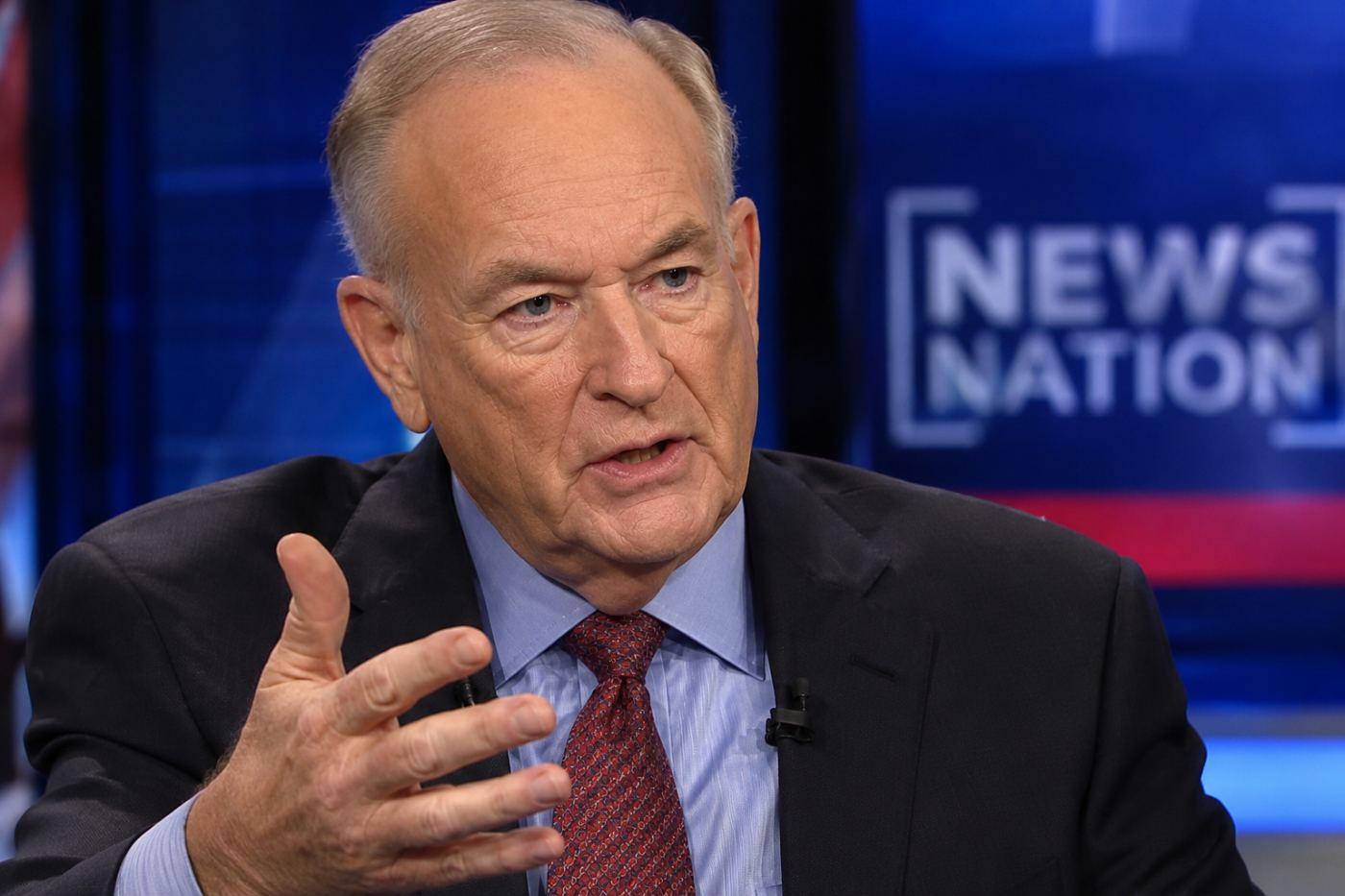
Donald Trump's Republican Party is facing criticism from an unexpected direction: longtime conservative commentator Bill O'Reilly, who says the GOP has lost the independent voters it needs to win national elections.
Following Republicans' sweeping defeats in the November 3 midterms, the former Fox News host delivered a striking assessment of the party's future during an appearance on NewsNation.
His conclusion was unmistakable: the Republican Party's traditional political coalition is no longer sufficient to deliver electoral victories.
O'Reilly Says the Republican Base Is Gone
Appearing on On Balance with Leland Vittert, O'Reilly rejected the suggestion that Trump could afford to alienate Republican voters while pursuing new policy agreements.
“There is no Republican base. Gone!” O'Reilly declared.
He argued that independent voters had turned against Trump and the GOP, leaving Republicans unable to overcome their losses through partisan loyalty alone.
O'Reilly went further, describing traditional party-based MAGA politics as increasingly disconnected from the electorate.
He characterized the movement as politically extinct, although that remains his assessment rather than an established demographic fact.
Immigration Enforcement Becomes a Liability
O'Reilly identified immigration enforcement as one reason Republicans encountered resistance.
Although he supported deporting criminals, he criticized the administration's handling of enforcement operations under former Homeland Security Secretary Kristi Noem.
He described the enforcement operation as undisciplined and argued that violence associated with immigration crackdowns had damaged the Republican Party politically.
The criticism reflects a broader disagreement among conservatives over how immigration laws should be enforced.
Some Republicans continue supporting aggressive deportation policies, while others question the administration's tactics and their political consequences.
O'Reilly also criticized both major parties for failing to negotiate comprehensive immigration legislation over previous decades.
Republicans Face an Internal Reckoning
The November 3 elections left Republicans with their weakest congressional representation in decades.
Florida Governor Ron DeSantis described the results as an extinction-level event, while Senator Ted Cruz compared the scale of the rejection to the political fallout from Watergate.
Former Vice President Mike Pence called the results a reckoning.
Their statements illustrate the seriousness with which some Republican leaders view the party's losses.
Yet agreement on the cause remains elusive.
Some conservatives blame Trump's policies and rhetoric. Others believe Republican candidates failed to communicate their message effectively or departed from the movement's original priorities.
Independent Voters Become the Central Question
O'Reilly's argument centers on voters who do not consistently identify with either major political party.
He believes these Americans increasingly evaluate candidates based on practical results rather than partisan loyalty.
As a registered independent, O'Reilly said he prefers politicians who demonstrate an ability to solve problems.
His comments suggest that Republicans cannot rely exclusively on Trump's most committed supporters to rebuild their coalition.
That argument is supported in part by the midterm results, although the claim that the Republican base has disappeared entirely goes beyond what election data establishes.
MAGA's Future Remains Unsettled
Trump remains president and retains considerable influence over Republican politics.
But the party's losses have intensified disagreements over its leadership, immigration policies, economic agenda, and relationship with independent voters.
Reuters has documented divisions among MAGA supporters, including some who continue supporting the movement while questioning Trump's leadership.
O'Reilly's criticism adds a prominent conservative voice to that debate.
The Republican Party now faces a fundamental choice about its political identity: whether to preserve Trump's approach, modify its priorities, or pursue a different direction.
For a party that has spent a decade organizing itself around one political figure, that debate has become increasingly difficult to avoid.