Donald Trump has repeatedly promised an American economic revival built around cheaper energy, stronger domestic industry and relief for working Americans.
For a growing number of American trucking companies, that isn't what 2026 looks like.
At least 16 trucking, delivery and transportation companies entered bankruptcy proceedings between late August and September 21, according to federal court filings and carrier records reviewed by FreightWaves.
The companies range from small operators to fleets with dozens of trucks. Eight sought Chapter 11 protection, allowing them to attempt to reorganize while continuing operations. Seven entered Chapter 7 proceedings, which generally means liquidation and closure.
Together, the companies account for more than 250 jobs.
The immediate problem facing trucking companies is brutally simple: nearly everything required to keep a truck moving has become more expensive.
And diesel has become especially painful.
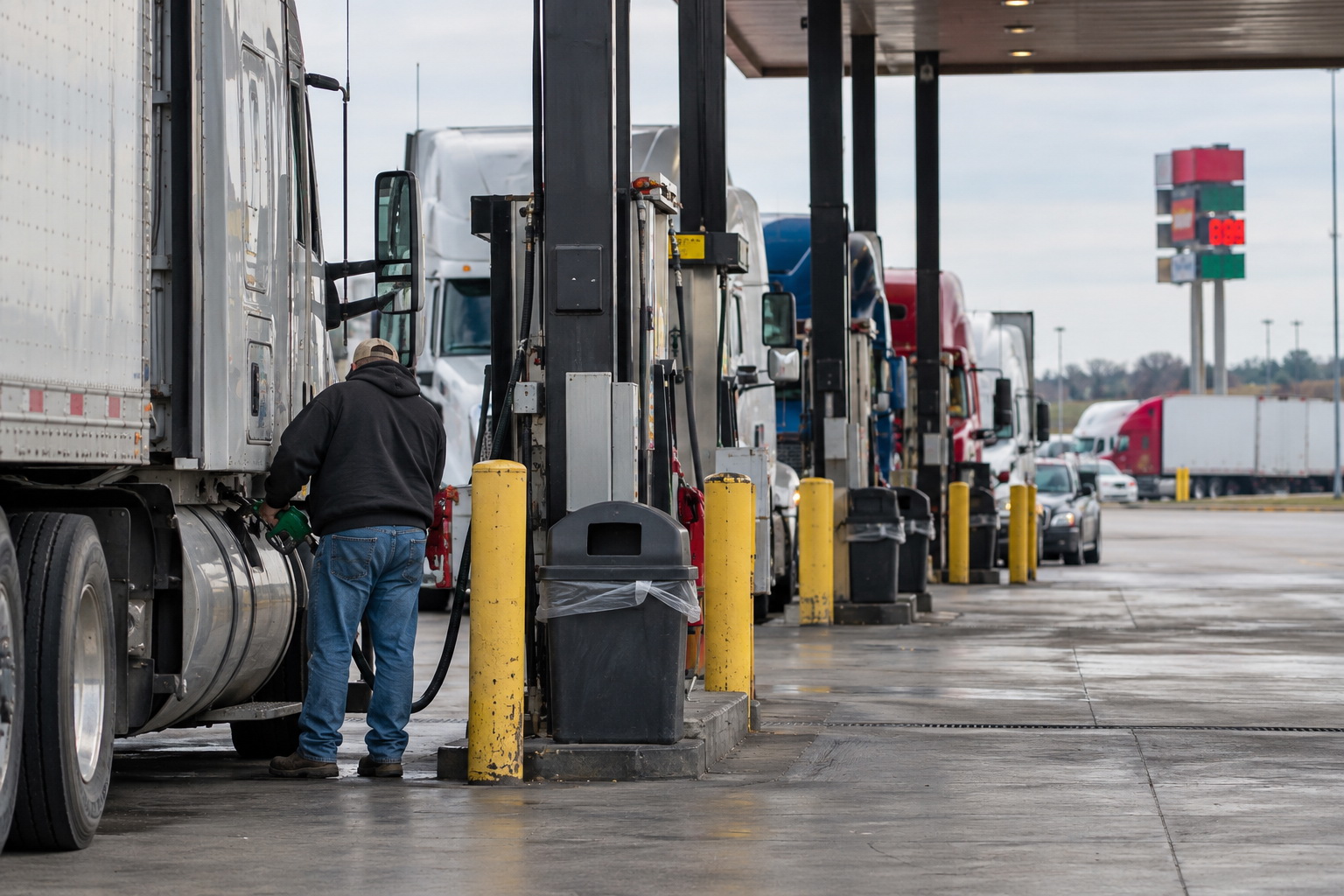
The national average price of diesel reached approximately $6.53 per gallon on September 22 — a U.S. record — after climbing roughly $2.76 over the previous year.
The surge has coincided with disruptions to global energy markets stemming from the Trump administration's war with Iran, along with other international supply disruptions.
For trucking companies, diesel isn't an optional expense.
It is the fuel that moves America's economy.
Every supermarket delivery, construction shipment, package, piece of machinery and truckload of merchandise traveling across the country depends on transportation whose costs are heavily influenced by fuel.
When diesel rises by several dollars per gallon, a trucking company operating dozens of tractors can suddenly face enormous additional monthly expenses.
And simply passing those costs along isn't always possible.
Freight companies compete intensely for loads. Raising rates can mean losing business to another carrier, while absorbing higher fuel expenses can wipe out already thin margins.
Diesel isn't the industry's only problem.
Insurance premiums, maintenance expenses, equipment costs, labor and regulatory compliance expenses have also continued rising.
Meanwhile, trucking has been struggling through a prolonged freight recession that began years before the current fuel-price spike. Too many trucks chasing too little freight pushed shipping rates downward and forced many small carriers to operate on razor-thin margins.
That distinction matters.
Trump didn't create every problem facing America's trucking industry.
But the latest explosion in fuel costs has landed on an industry that was already financially vulnerable.
And the bankruptcies aren't limited to September.
FreightWaves identified more than 20 trucking-related companies seeking Chapter 7 or Chapter 11 protection during a 30-day period in May.
Another 21 transportation and supply-chain businesses entered bankruptcy proceedings between late July and August 25.
Now another 16 have appeared in bankruptcy court in less than a month.
Some of these companies are tiny operations with only a handful of trucks. Others employ dozens of drivers.
But collectively they represent the backbone of an industry Americans rarely think about until something goes wrong.
And something is going wrong.
When a trucking company disappears, the effects don't necessarily stop with the driver.
Less trucking capacity can increase transportation costs. Higher transportation costs can eventually work their way into the prices of food, building materials, consumer goods and virtually everything else transported by truck.
That makes diesel prices particularly important.
Americans don't have to own a diesel pickup truck to pay for expensive diesel.
They pay for it indirectly every time a truck delivers something they buy.
The situation also creates an uncomfortable contrast with Trump's promises about energy prices.
Trump campaigned heavily on reducing energy costs and repeatedly argued that his energy policies would bring prices down.
Instead, American trucking companies are now confronting record diesel prices while a steady stream of carriers enters bankruptcy court.
Not every bankruptcy can be blamed on Trump. Many of these businesses carried significant debt, faced weak freight demand or struggled with rising insurance and equipment costs long before the current fuel spike.
But the administration cannot easily separate its economic record from an energy shock occurring during its watch — particularly when geopolitical decisions made by the administration have contributed to disruptions in global oil markets.
For truckers already surviving on thin margins, the timing could hardly be worse.
America's freight industry entered 2026 battered by years of weak rates and excess capacity.
Now it is being hit with historically expensive diesel.
The result is showing up in bankruptcy courts across the country.
And unlike stock-market indexes or political talking points, these are businesses with trucks, employees, creditors and families behind them.
Sixteen more transportation companies entering bankruptcy in less than a month isn't proof that the entire American trucking industry is collapsing.
But it is another warning light flashing in an economy where the people responsible for physically moving America's goods are finding it increasingly expensive just to keep their trucks on the road.