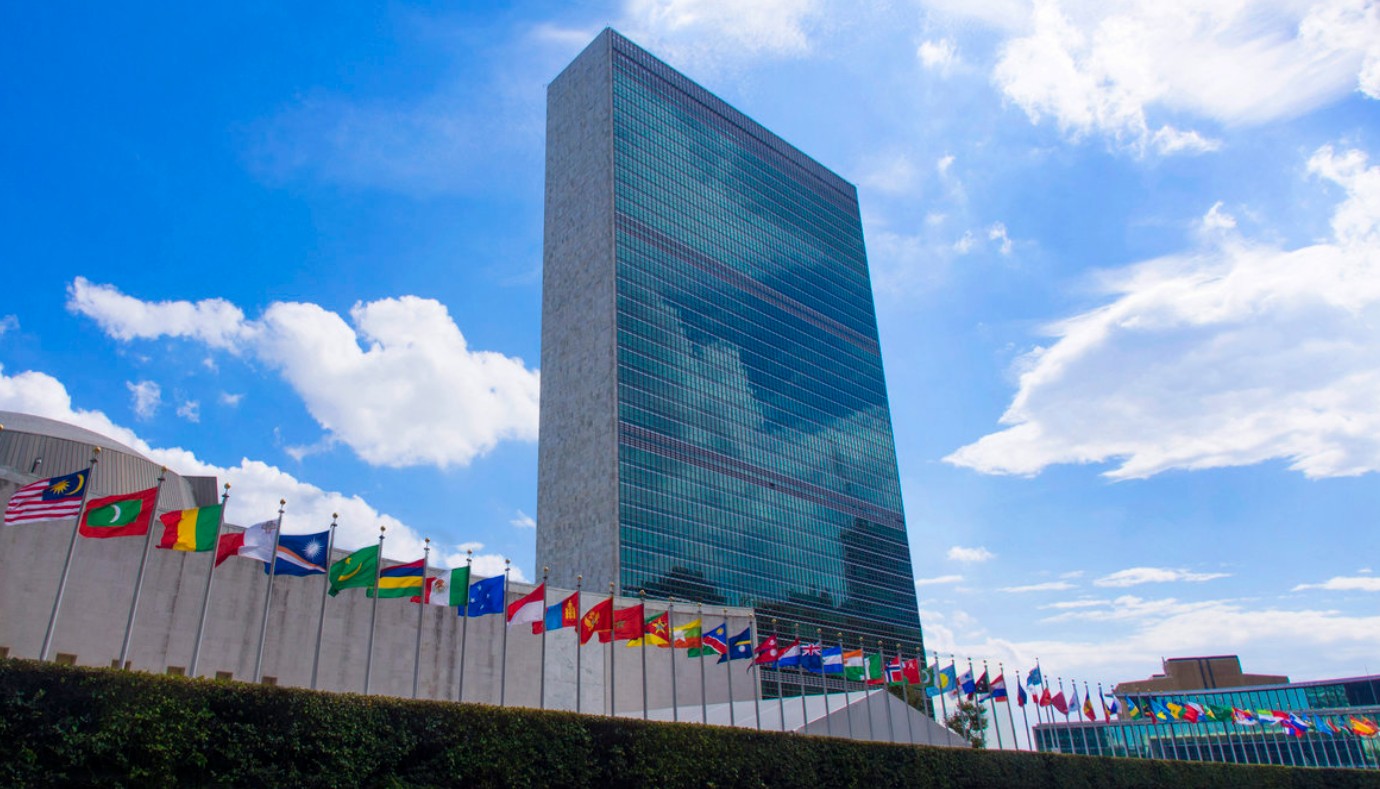
The United States of America came remarkably close to losing its vote in the United Nations General Assembly because it hadn't paid its bills.
Not because the country couldn't afford them.
Not because of a banking error.
And not because some obscure international rule suddenly changed.
The United States had accumulated so much unpaid debt to the United Nations that it was approaching a threshold written directly into the U.N. Charter — a threshold that can strip countries of their General Assembly voting rights.
The Trump administration ultimately avoided that embarrassment by sending the United Nations $725 million toward America's regular-budget debt.
Another $102 million went toward peacekeeping obligations.
The payment worked.
America kept its vote.
But here's the remarkable part:
After paying hundreds of millions of dollars, the United States still owes the United Nations more than $1.3 billion on its regular budget.
This is what fiscal management looked like after years of promises to make government more efficient.
How Does the United States Almost Lose Its UN Vote?
The rule isn't complicated.
Article 19 of the United Nations Charter says a country can lose its General Assembly vote when its unpaid contributions equal or exceed what it was assessed for the previous two full years.
There are exceptions when a country's failure to pay results from circumstances beyond its control.
But this wasn't a developing nation experiencing economic collapse.
This was the United States.
The world's largest economy allowed its unpaid obligations to accumulate until its voting privileges were approaching the Article 19 threshold.
Then Washington had to send a massive payment to prevent it from happening.
$725 Million Later
On September 16, the Trump administration paid $725 million toward the regular United Nations budget.
It also paid approximately $102 million toward peacekeeping.
The payment moved the United States safely away from the Article 19 threshold for 2027.
Problem solved.
Except for one detail.
The United States still owed approximately:
$1.312 billion.
And that's just the regular U.N. budget.
The payment didn't erase America's debt.
It reduced it enough to protect America's voting rights.
How Did We Get Here?
The Trump administration has repeatedly criticized the United Nations and reduced or delayed American funding to international organizations.
Administration officials argue that the United States has historically carried too much of the financial burden and that international organizations need significant reforms.
There is a legitimate policy debate there.
The United States is the largest contributor to the U.N. regular budget.
Under the current assessment system, America is responsible for 22 percent of the regular budget.
China is the second-largest contributor.
An administration is perfectly entitled to argue that this arrangement is unfair.
It can negotiate.
It can pressure other countries.