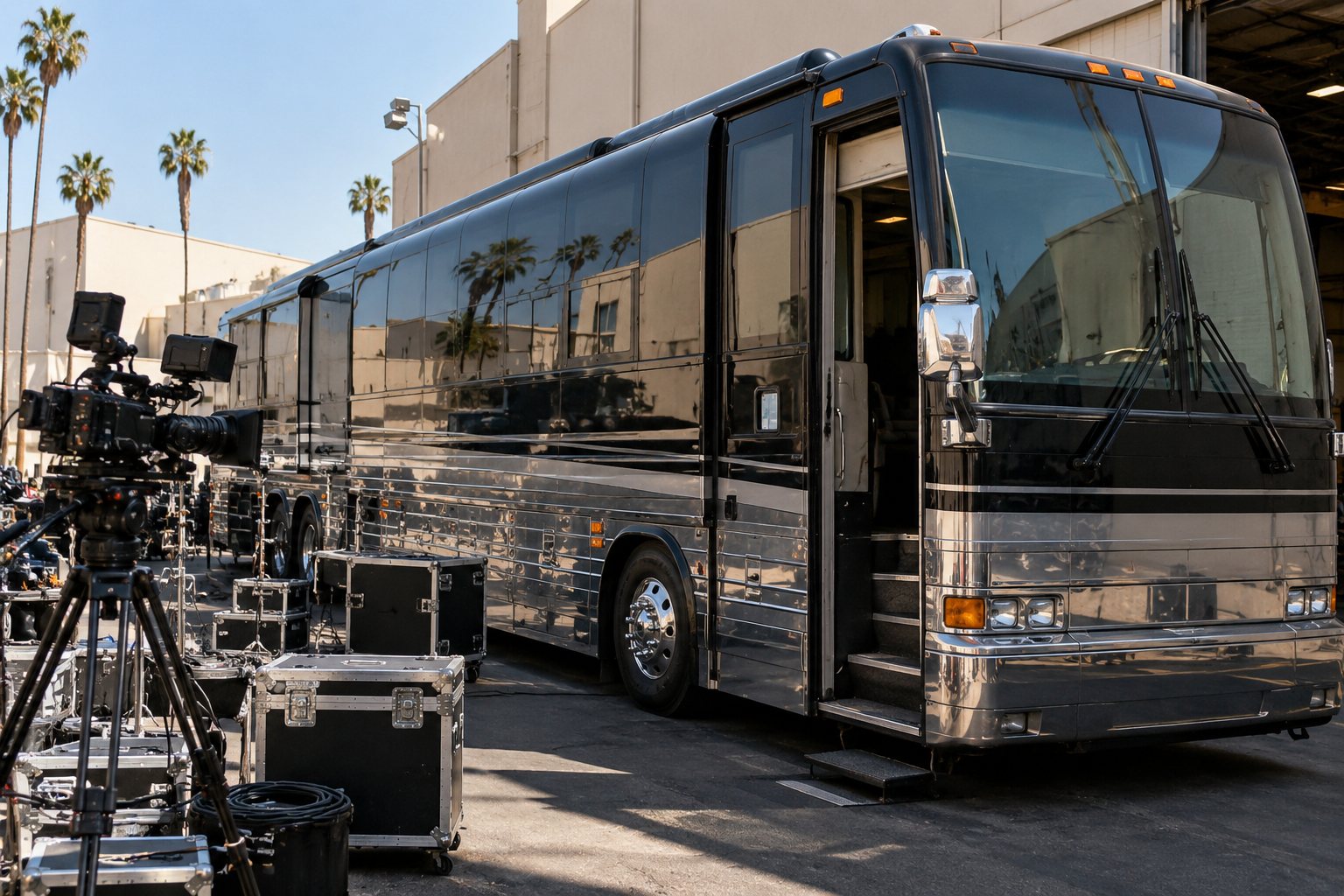
On October 7, 2016, just one month before Election Day, Donald Trump's presidential campaign was thrown into crisis by the release of a recording that captured the Republican nominee making extraordinarily vulgar comments about women.
The Washington Post published the recording, which had been made in 2005 while Trump was preparing for an appearance on the television soap opera Days of Our Lives. Trump was riding on an Access Hollywood bus with the program's then-host, Billy Bush, apparently unaware that their private conversation was being recorded by a live microphone.
During the conversation, Trump discussed pursuing women, including a married woman, and described attempting to kiss women without waiting for permission.
Trump also claimed that his celebrity status allowed him greater freedom in approaching women, culminating in the remark that would become permanently associated with the recording: “Grab them by the p---y.”
The recording immediately became a major national political story.
Trump Calls It “Locker-Room Banter”
Trump initially responded by describing the conversation as “locker-room banter” and pointing to allegations involving former President Bill Clinton.
He also offered a qualified apology, saying he was sorry if anyone had been offended.
But the political backlash intensified throughout the evening.
Republican National Committee chairman Reince Priebus condemned the way women were discussed in the recording. House Speaker Paul Ryan said he was “sickened” by what he had heard and announced that Trump would no longer appear at a Republican event scheduled for the following day in Wisconsin.
Other Republican politicians withdrew endorsements or called on Trump to leave the presidential race.
Trump Issues a Video Apology
Late that night, Trump released a recorded statement acknowledging that his comments were wrong.
“I said it, I was wrong, and I apologize,” Trump said.
He nevertheless quickly shifted the focus toward his political opponents, contrasting his comments with allegations against former President Bill Clinton and accusing Hillary Clinton of mistreating women who had accused her husband of misconduct.
Trump promised the subject would come up again at the presidential debate scheduled two days later.
It did.
A Defining Moment of the 2016 Campaign
The timing of the disclosure made its impact particularly significant.
Trump was already preparing for his second presidential debate against Hillary Clinton when the recording became public. His campaign suddenly found itself confronting questions about whether Republican officials would continue supporting their own presidential nominee only weeks before Election Day.
The controversy also went beyond Trump's use of vulgar language.
His recorded description of automatically kissing women and not waiting before doing so raised broader questions about consent and about whether the comments merely represented crude boasting or described actual behavior.
Trump maintained that the recording amounted to words and “locker-room” talk rather than actions.
The political crisis ultimately did not end his candidacy.
One month and one day after the recording became public, Americans voted in the 2016 presidential election. Trump defeated Hillary Clinton in the Electoral College and became the 45th president of the United States.
But the Access Hollywood recording did not disappear.
Instead, October 7, 2016 became one of the most memorable days of an already extraordinary presidential campaign — the day Americans heard, in Trump's own recorded words, how the man who was weeks away from being elected president talked about women when he apparently believed the public wasn't listening.