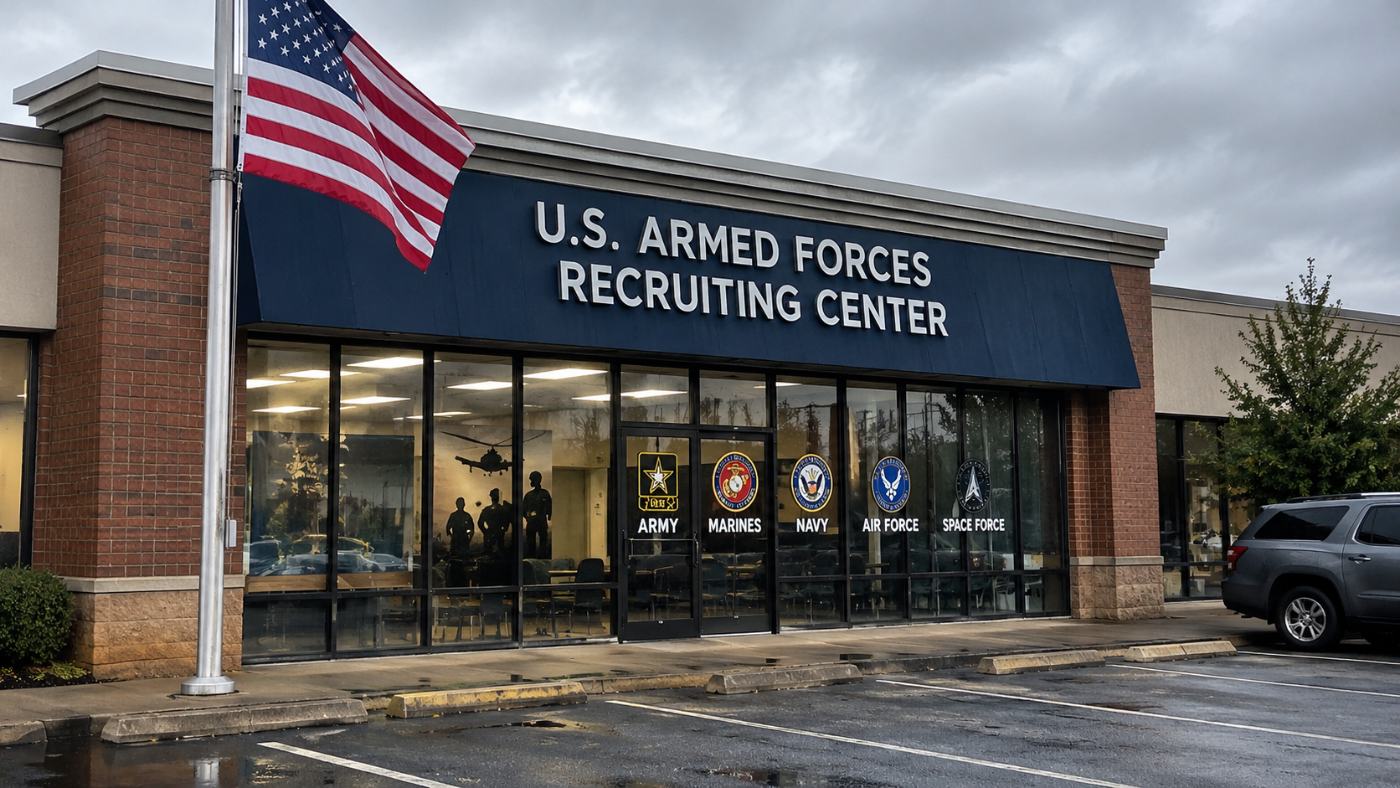
A troubling new survey has raised serious questions about morale inside the United States military, with 53 percent of active-duty respondents saying increasing politicization makes them want to leave military service earlier than planned.
The findings, released by veterans advocacy organization Common Defense and reported by Military.com, suggest growing frustration with President Donald Trump, Defense Secretary Pete Hegseth, and decisions that some service members believe prioritize politics over military readiness.
The results arrive as American forces remain engaged in the conflict with Iran and the Pentagon confronts continued upheaval among senior military leadership.
Military Personnel Question Political Interference
The survey found that 45 percent of active-duty respondents said policy changes and uncertainty under the Trump administration made them want to separate from military service sooner.
Across the broader sample, 67 percent believed decisions affecting service members were being made for political advantage rather than mission readiness. Only 25 percent disagreed.
The survey also found that 79 percent believed veterans and military families were being left behind by politicians and society.
Common Defense Executive Director Jose Vasquez, an Army veteran, described the findings as a warning about military readiness.
"That's not a talking point; it's a readiness crisis," Vasquez said.
The survey included 731 respondents, comprising 156 active-duty personnel, 431 veterans, and 144 military family members. Conducted by Change Research in September, it provides a snapshot of attitudes rather than proof that half the entire military intends to resign.
Trump and Hegseth Face Disapproval
The poll found that approximately 50 percent of respondents disapproved of Trump's performance as commander-in-chief, compared with 47 percent who approved.
Hegseth received similarly divided ratings, with 50 percent disapproving and 45 percent approving.
Senior uniformed military commanders received more favorable evaluations, with 56 percent expressing approval and 27 percent disapproval.
The contrast suggests respondents distinguished between the military's professional leadership and the civilian officials directing defense policy.
Pentagon Leadership Shakeups Add to Concerns
Hegseth's tenure has been marked by extensive changes among senior military officers.
According to reporting by The New York Times, more than 80 generals and admirals have been dismissed or sidelined under his leadership, representing approximately 10 percent of the senior officer corps.
Among the latest departures was Lieutenant General Brett Sylvia, a decorated combat veteran removed from his Pentagon position following allegations involving classified information.
The dismissal reportedly angered senior Army officers who regarded Sylvia as an experienced and respected military strategist.
Pentagon officials maintain that leadership changes are necessary to enforce accountability and improve military effectiveness.
Critics warn that removing experienced officers during an ongoing conflict risks weakening institutional knowledge and discouraging independent military advice.
Questions About America's Military Readiness
The survey also revealed divisions over the Iran war, with 48 percent of active-duty respondents opposing American military involvement.
Common Defense, a progressive veterans organization that endorses Democratic candidates, commissioned the poll. Its relatively small active-duty sample means the findings should not be treated as representative of every service member.
Nevertheless, the responses raise questions about retention, leadership confidence, and the relationship between civilian policymakers and the armed forces.
The United States military depends on experienced personnel willing to continue serving through difficult assignments and dangerous deployments.
If frustration with political interference translates into earlier departures, the consequences could extend beyond Washington's political disputes.
For Trump and Hegseth, the survey presents a challenge: addressing concerns among military personnel while defending an administration that insists its leadership changes are strengthening America's armed forces.